Casa Citron Gallery & History
Casa Citron was designed to create moments, quiet, sensual, unhurried. These are small scenes that unfold naturally when privacy, light, and intention meet.
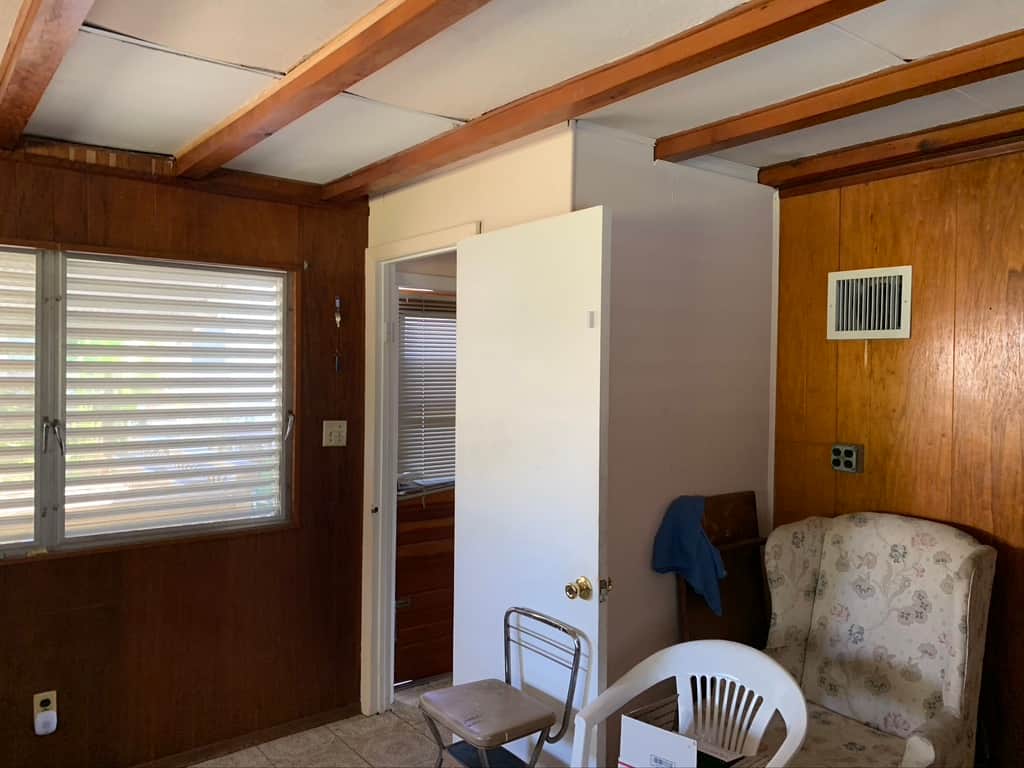
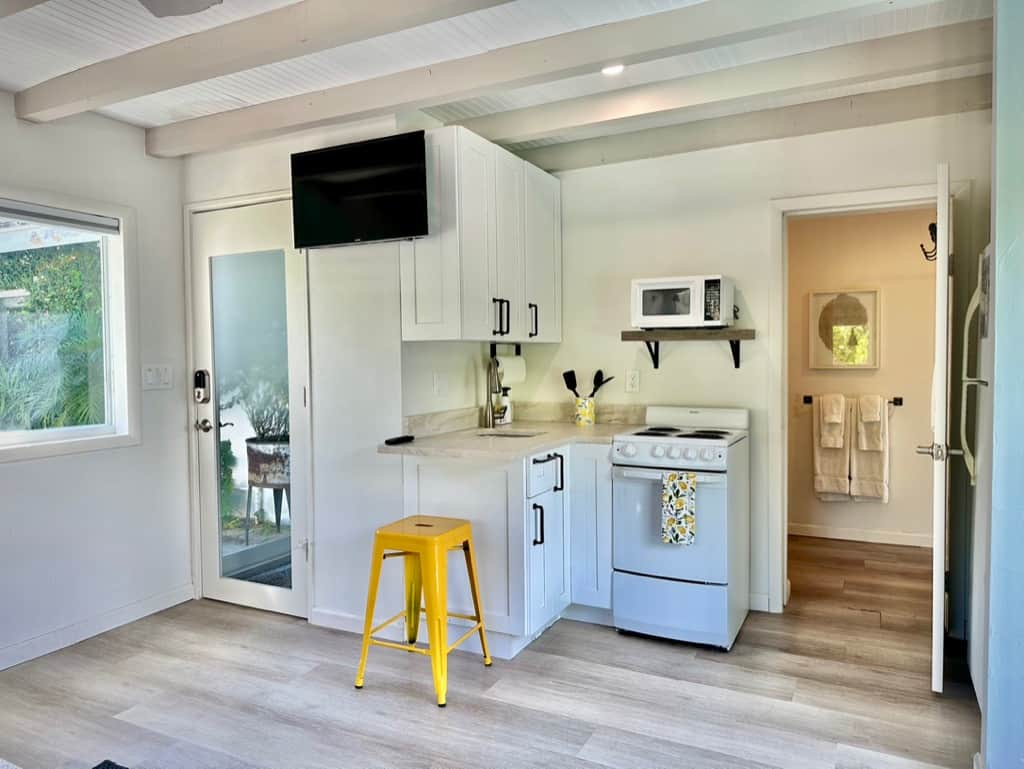
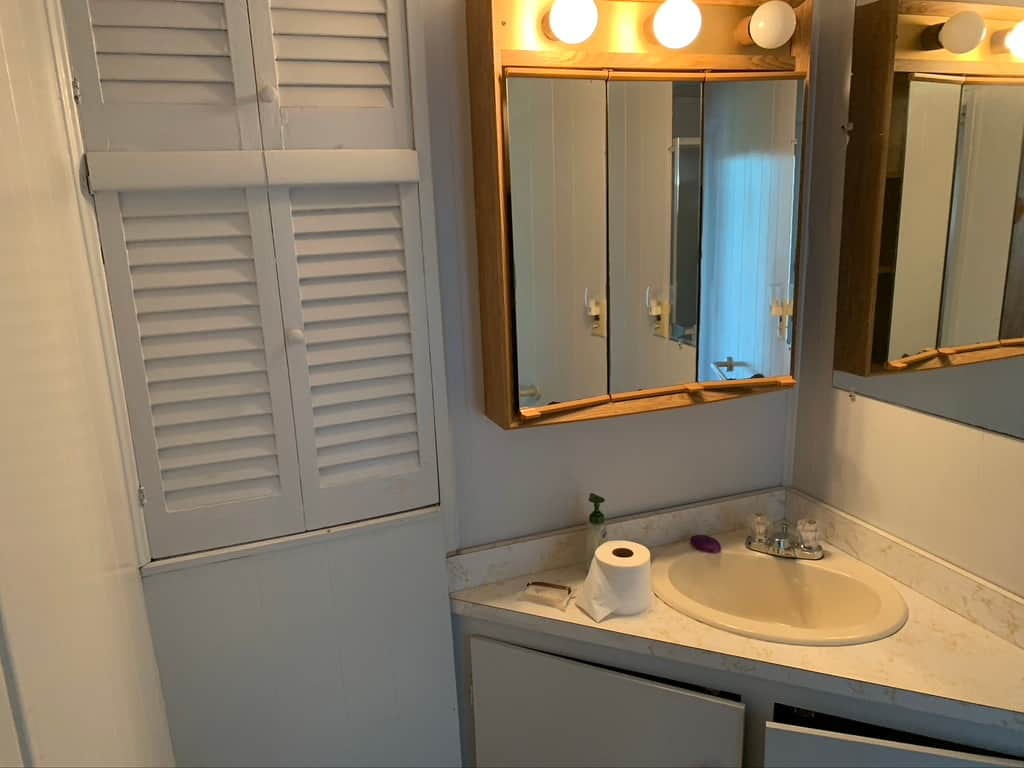
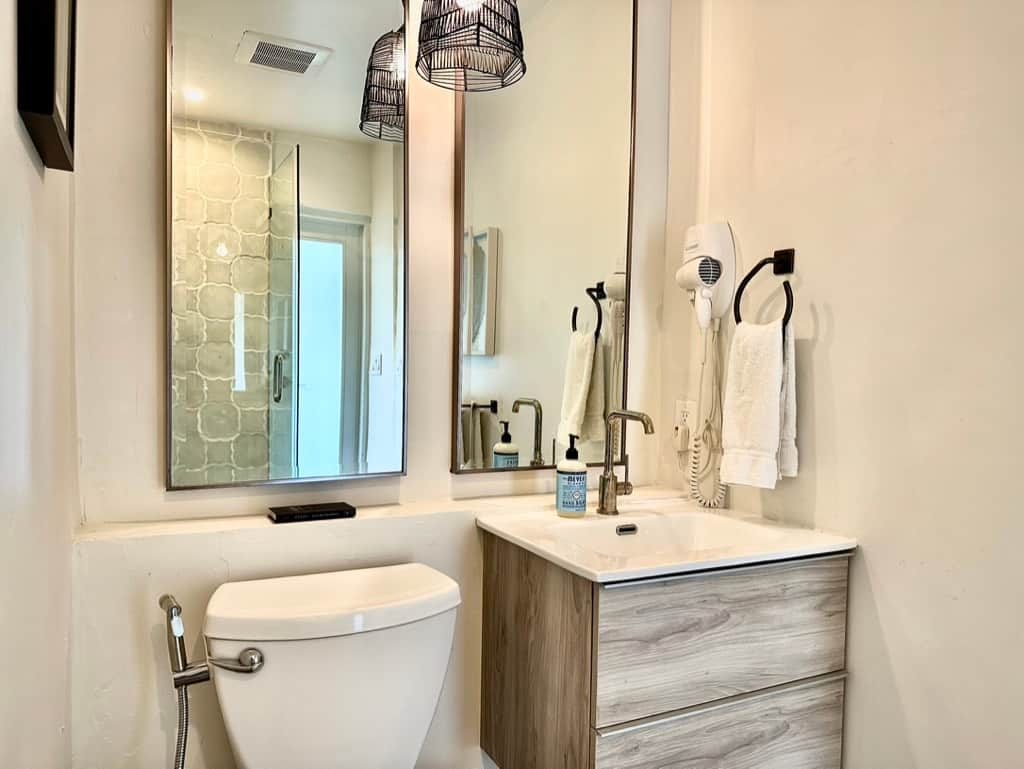
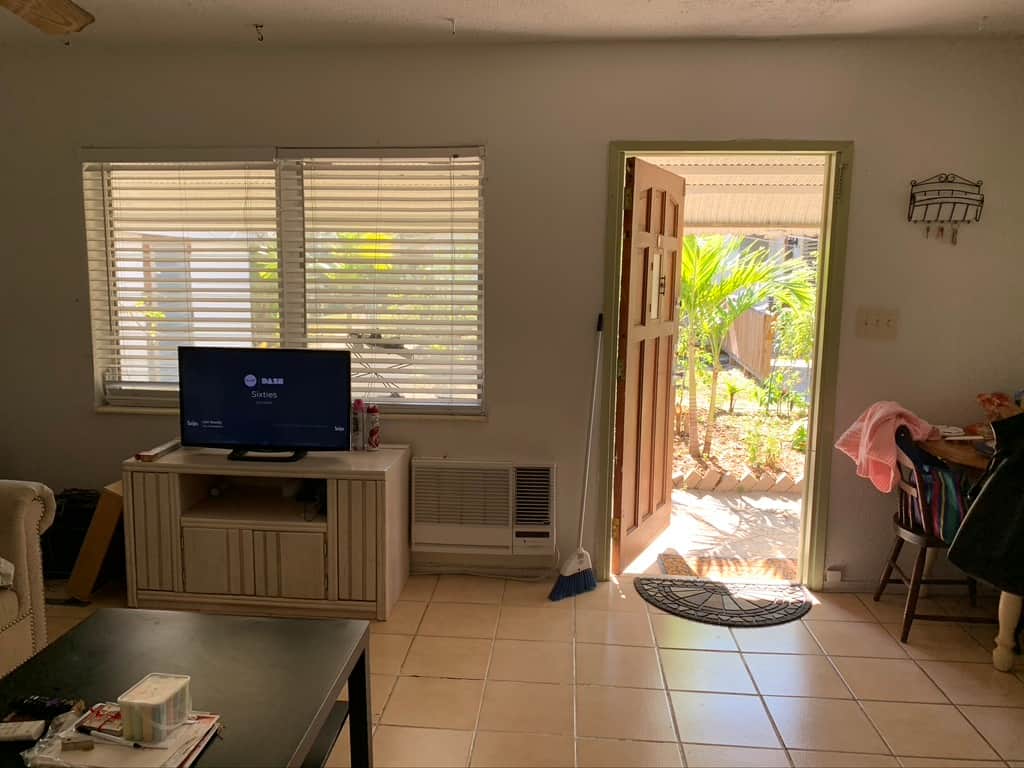
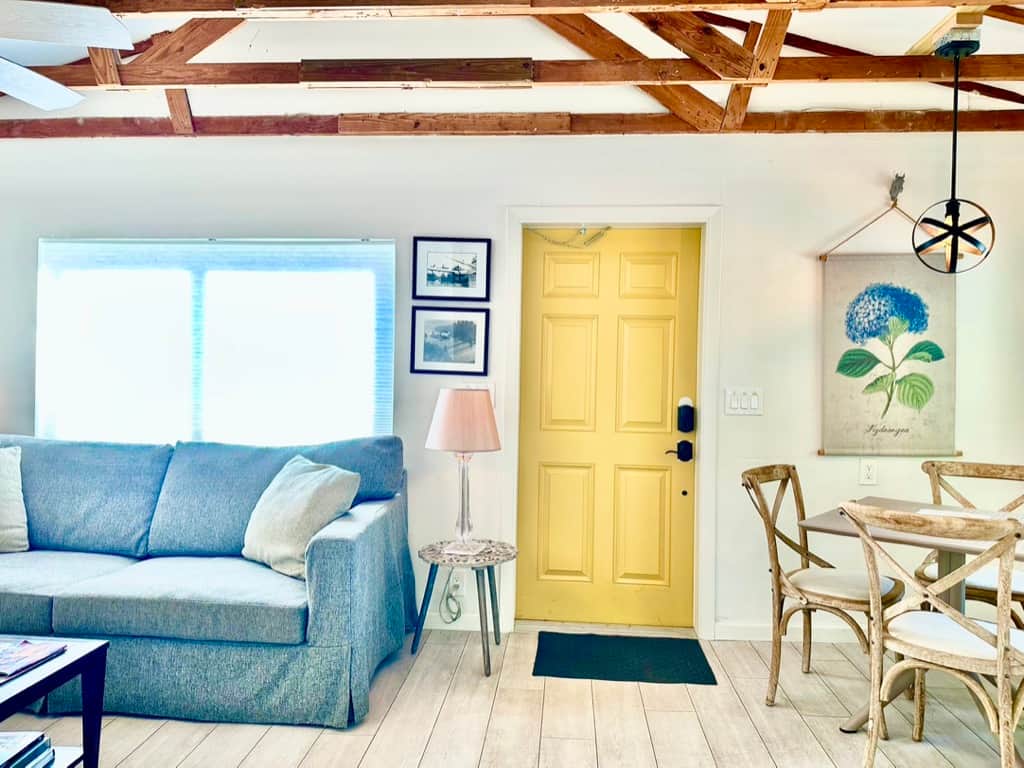
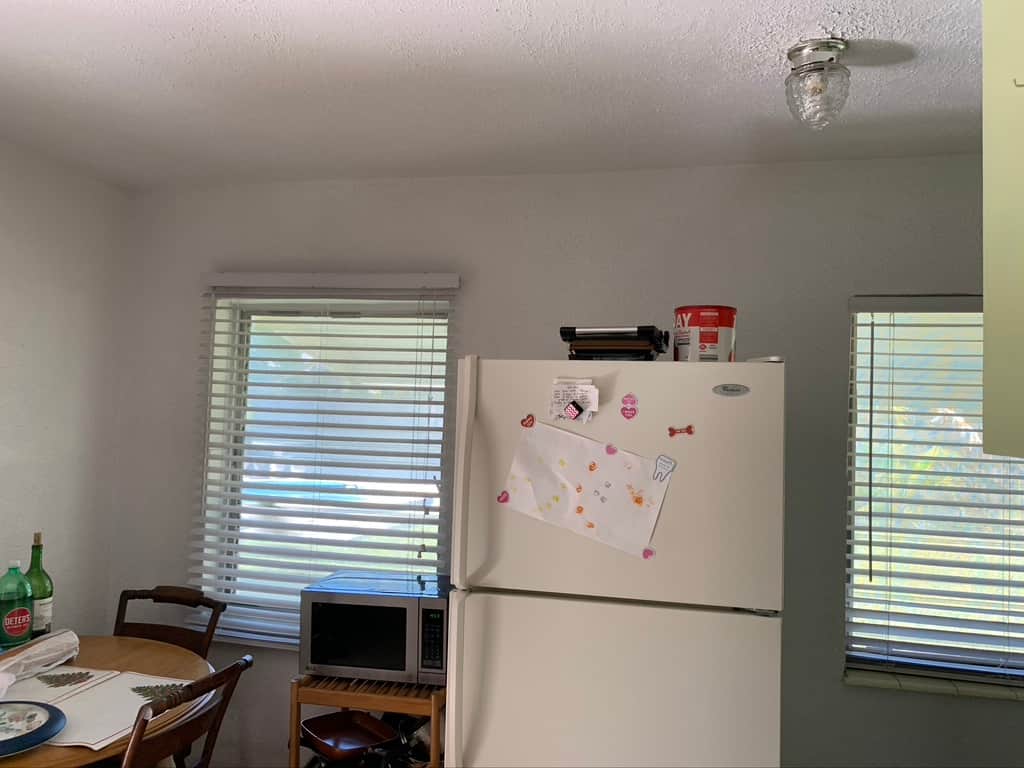
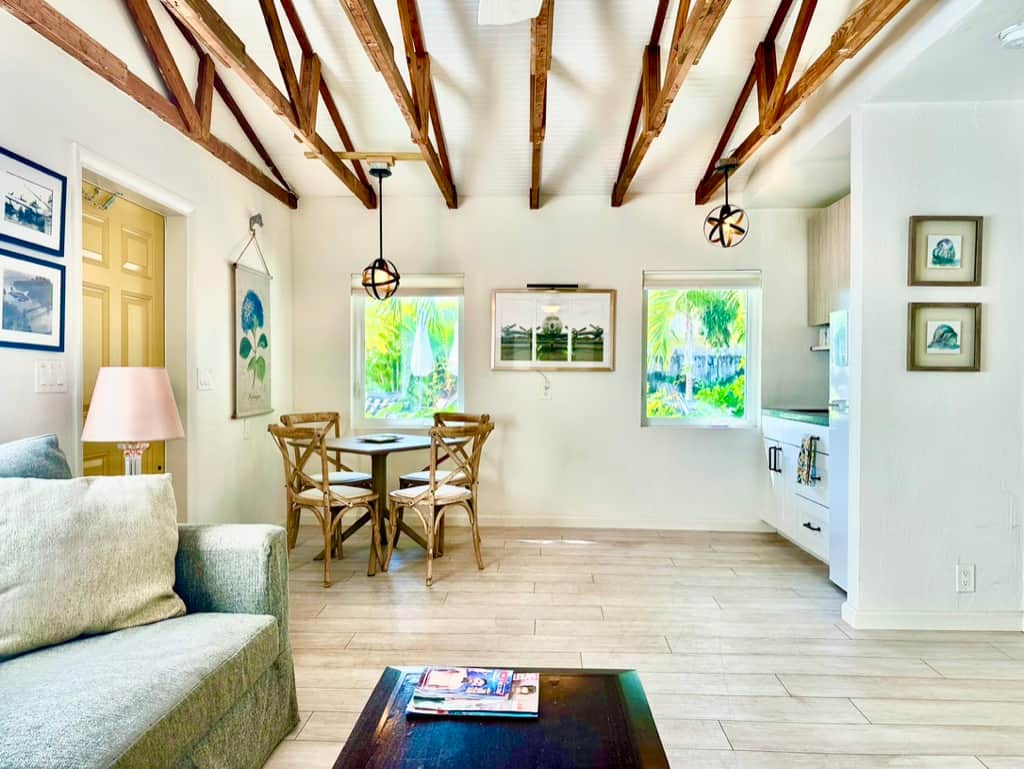
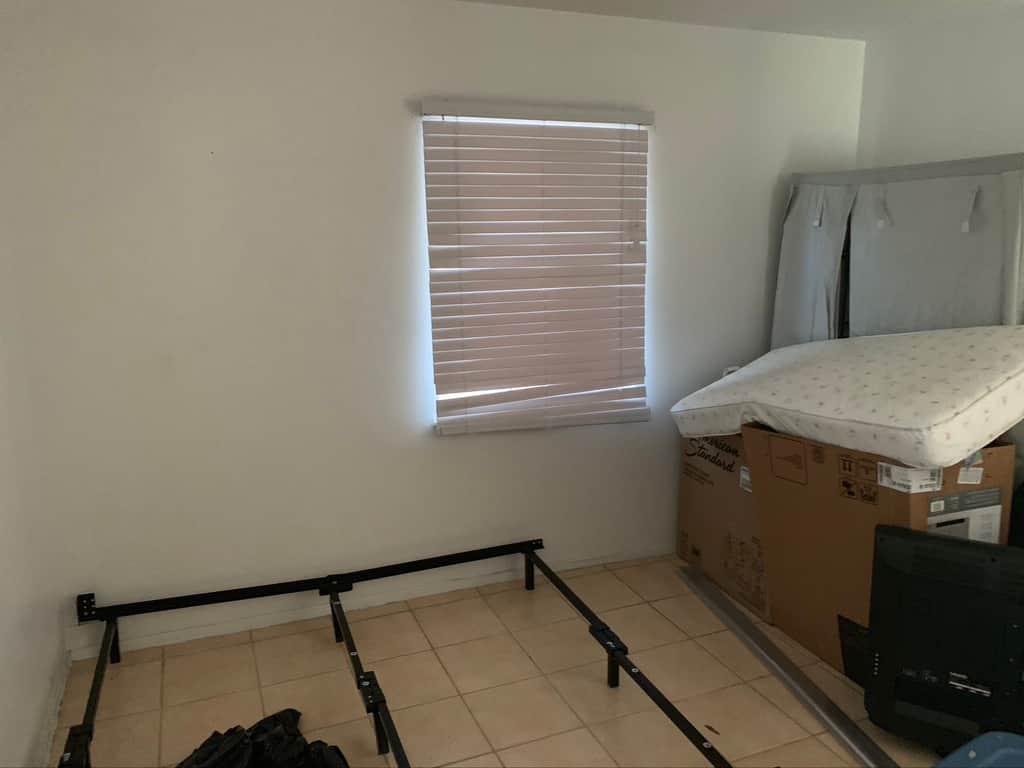
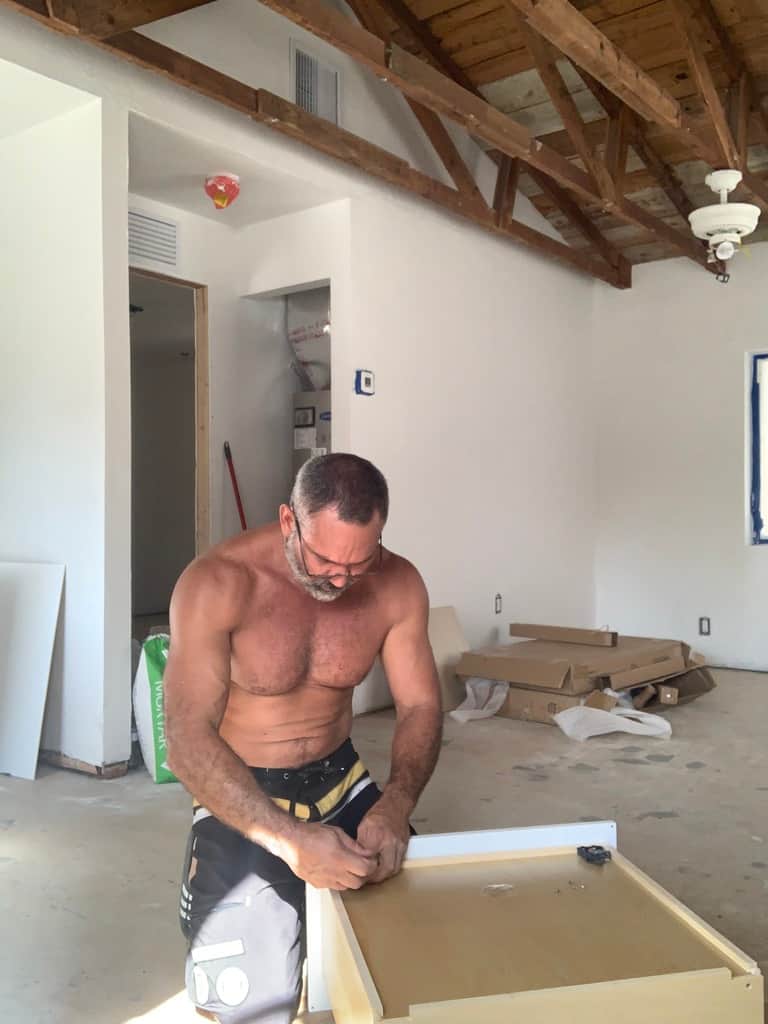
After nearly three years of searching, this home appeared on the market and I purchased it the same day, instinctively knowing what it could become. That night, inspired and restless, I sketched nonstop—imagining a space designed for freedom, comfort, and the quiet confidence that comes from being fully yourself. What began as a personal design project evolved into a clothing-optional retreat where nudists could feel relaxed, respected, and at ease. Nestled in Fort Lauderdale’s gay neighborhood, Casa Citron naturally grew into a welcoming haven for the LGBTQ+ community and open-minded men of all orientations—gay, bi, and straight—who come here to unwind, connect, and enjoy a true nakedcation. Through intentional design, secluded outdoor showers, intimate lounging areas, and shared experiences like naked yoga, Casa Citron has become more than a place to stay. It is a safe, sensual, and affirming space that guests return to again and again. This page tells that story—through before-and-after images that reveal how design, intention, and authenticity transformed a house into a sanctuary.
Communal Spaces at Casa Citron
Entry Welcoming Courtyard
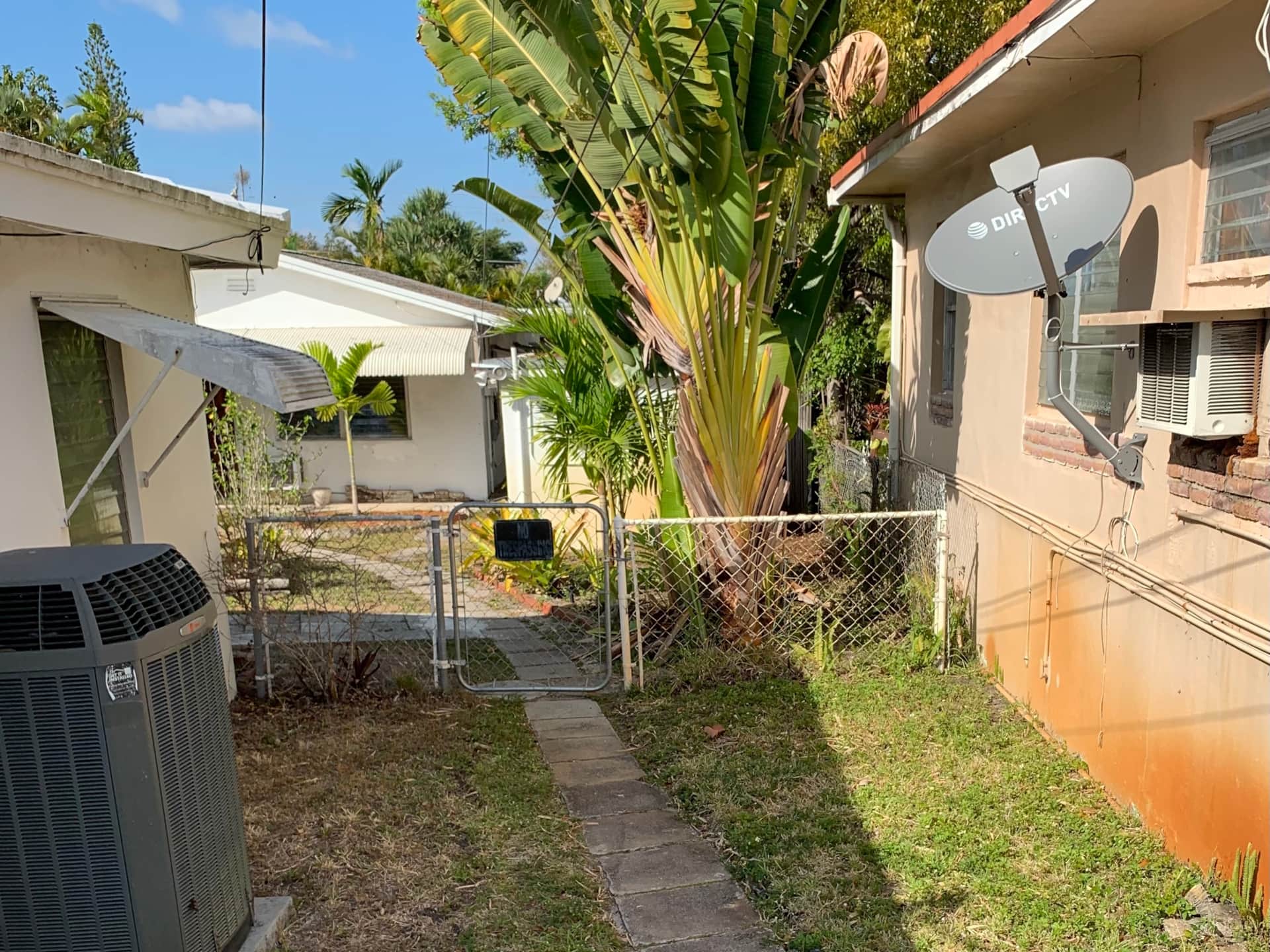
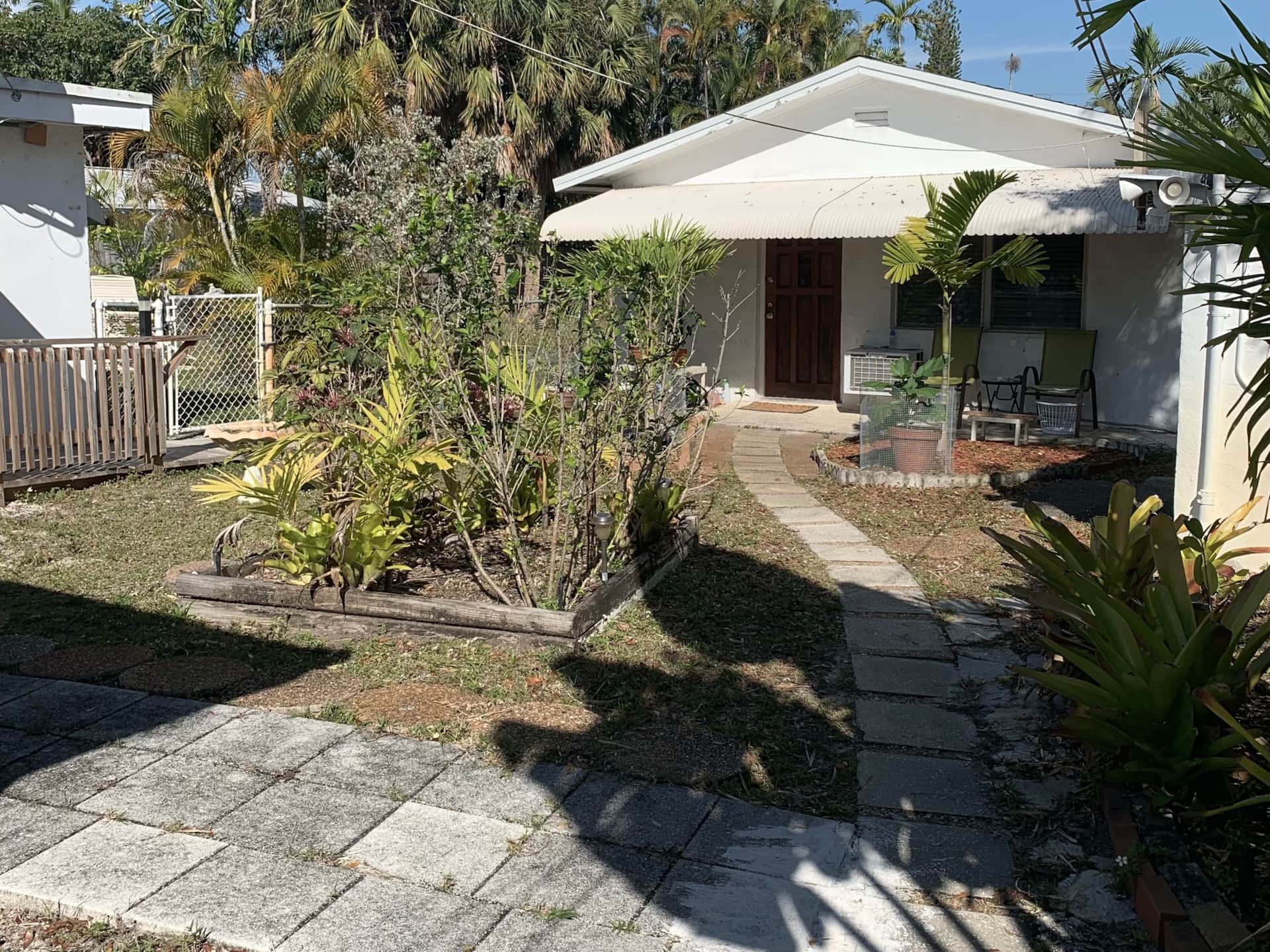
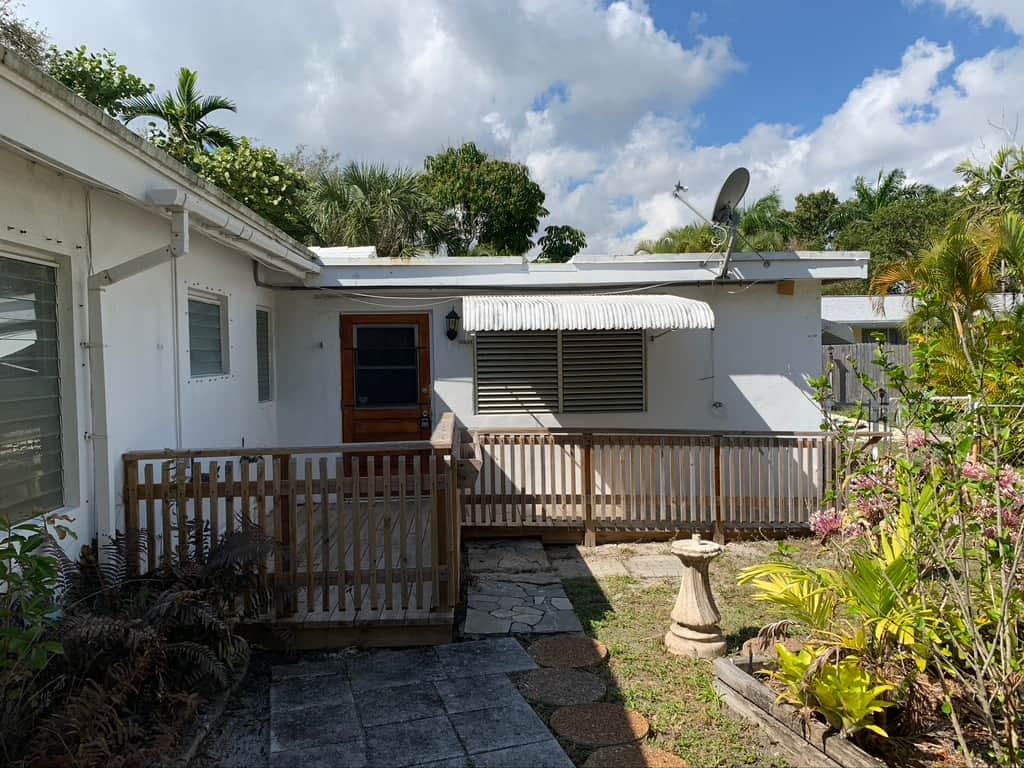
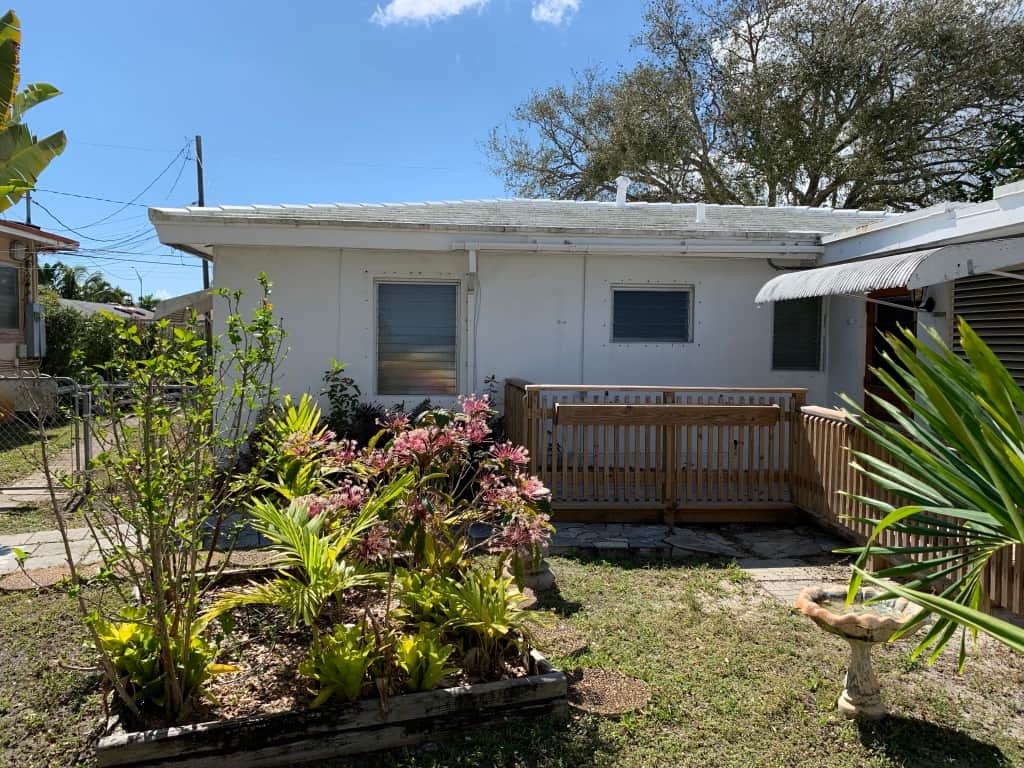
When I acquired the property that would later become Casa Citron, the entry courtyard was not a place of arrival—it was a problem to be solved. Exposed wiring lay on the ground near a light post, a chain-link fence offered neither privacy nor security, and the entire space felt hazardous rather than welcoming. A makeshift wooden ramp and scattered stepping stones cut through overgrown weeds and dried plants, making the approach feel neglected and unsafe. The cleanup alone was a massive undertaking, requiring a complete clearing of what had accumulated through years of disregard.
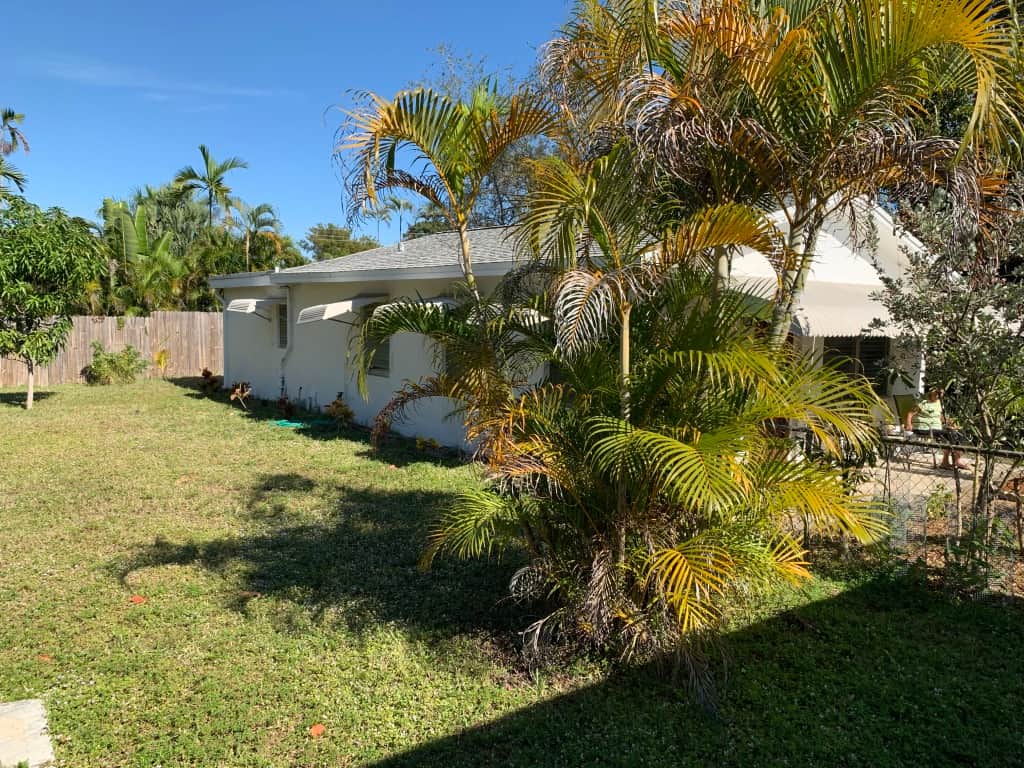
The structure itself presented daily reminders of what needed to change. Aluminum awnings hung over every window, many of them incomplete, rusted, or literally falling apart. Some were positioned so low that you could hit your head simply walking beneath them. Instead of offering shade or protection, they created visual clutter and physical danger. The space lacked intention, flow, and dignity—everything I wanted to correct from the moment I stepped onto the property.
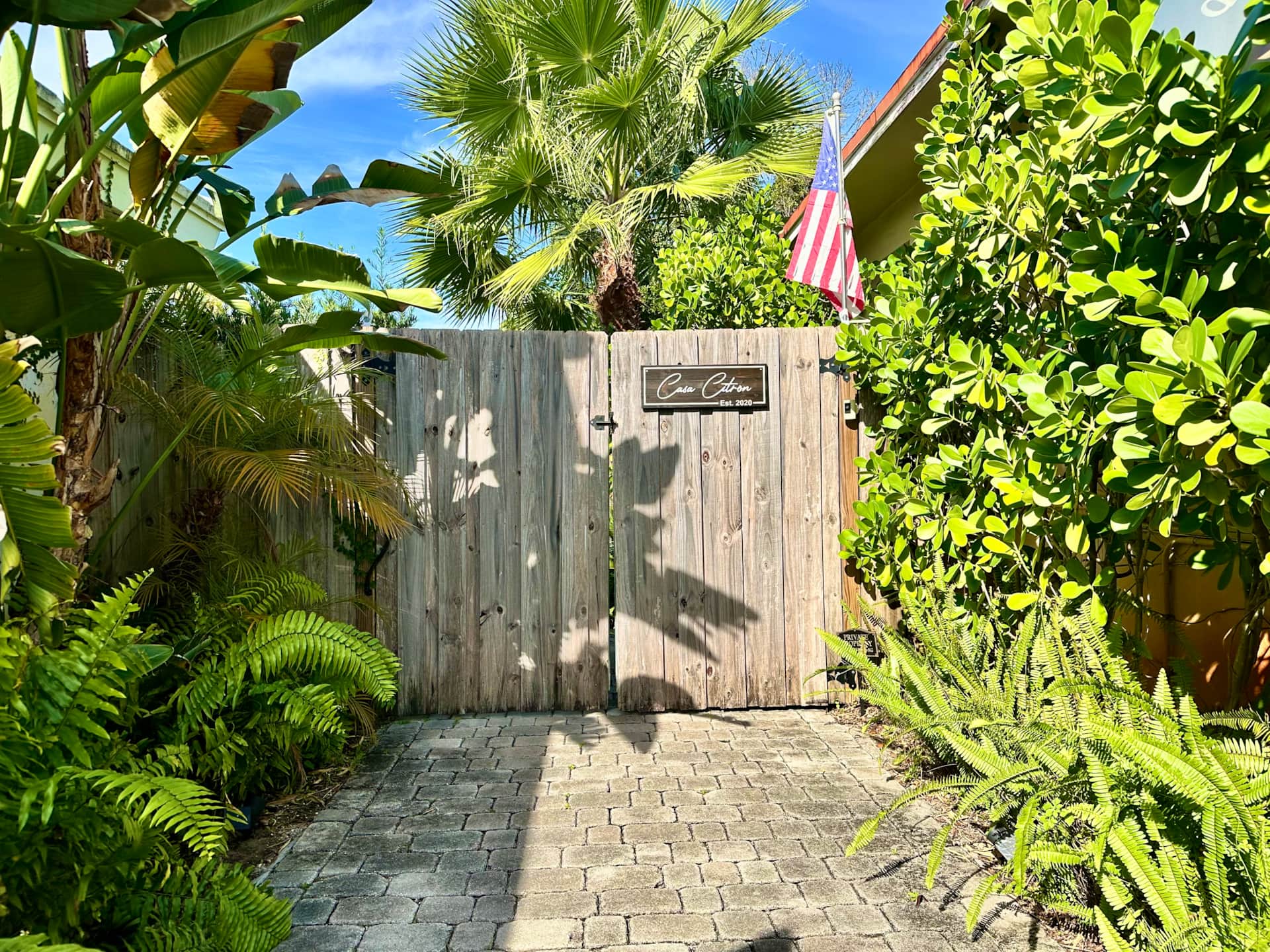
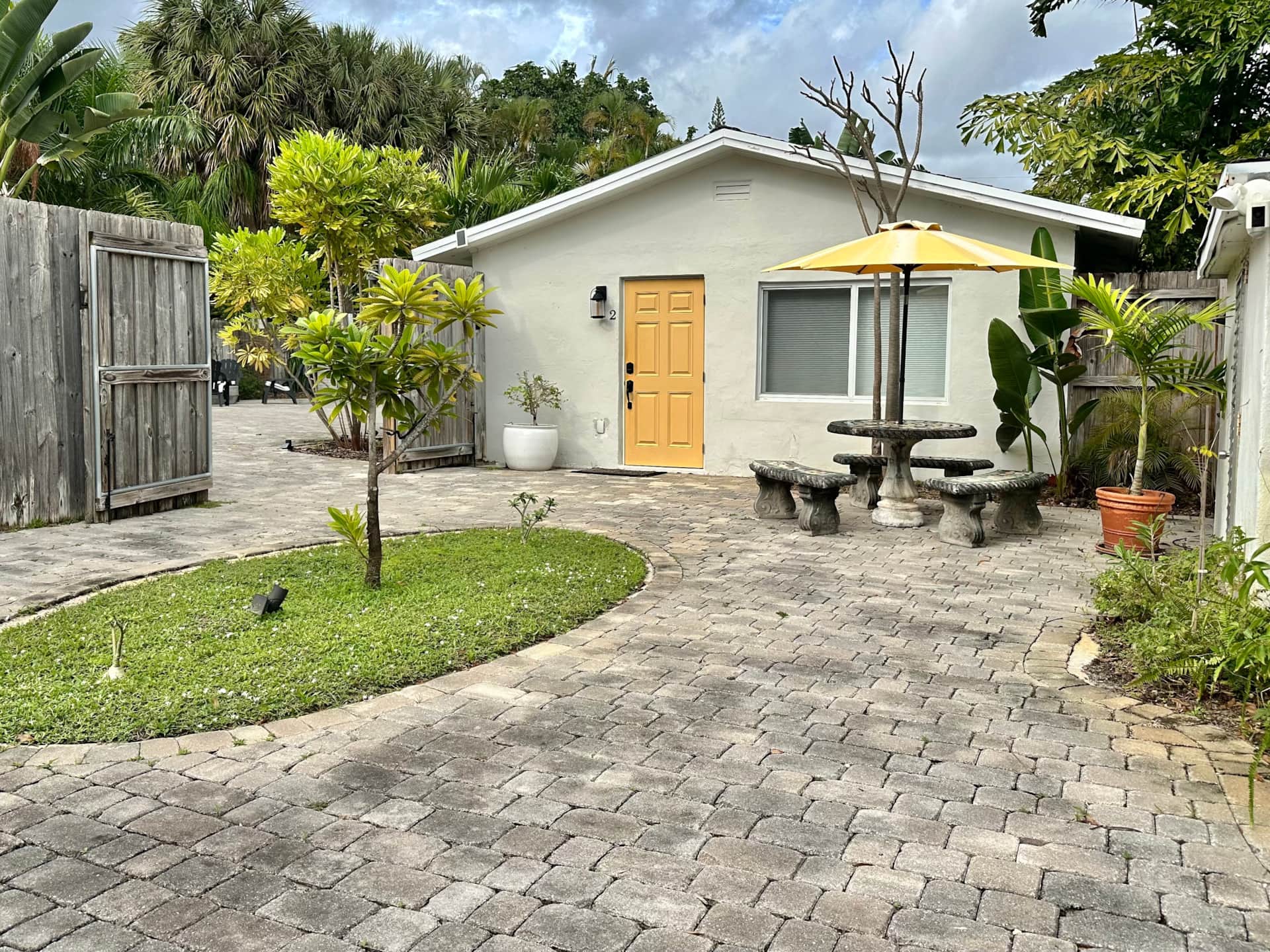
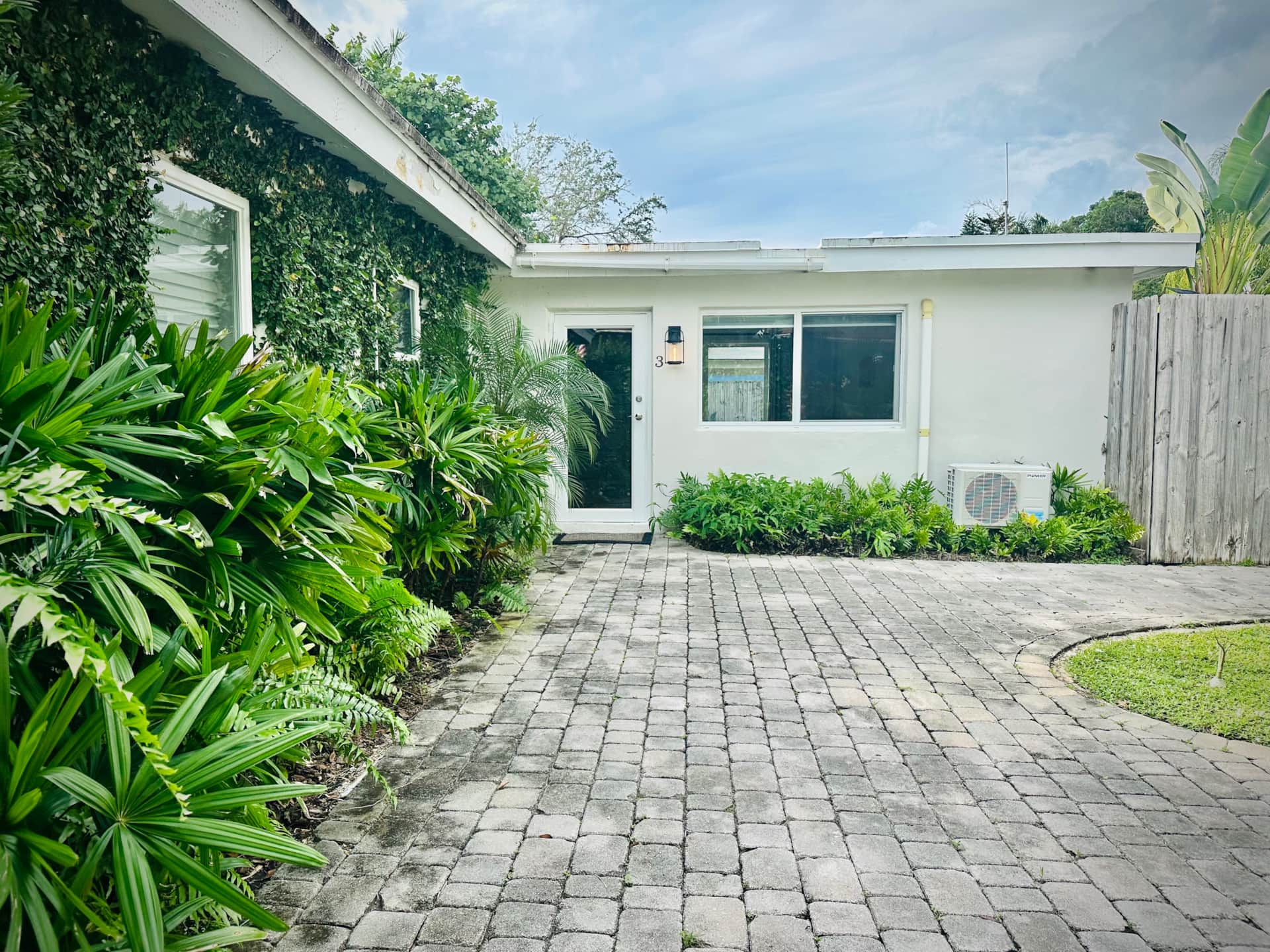
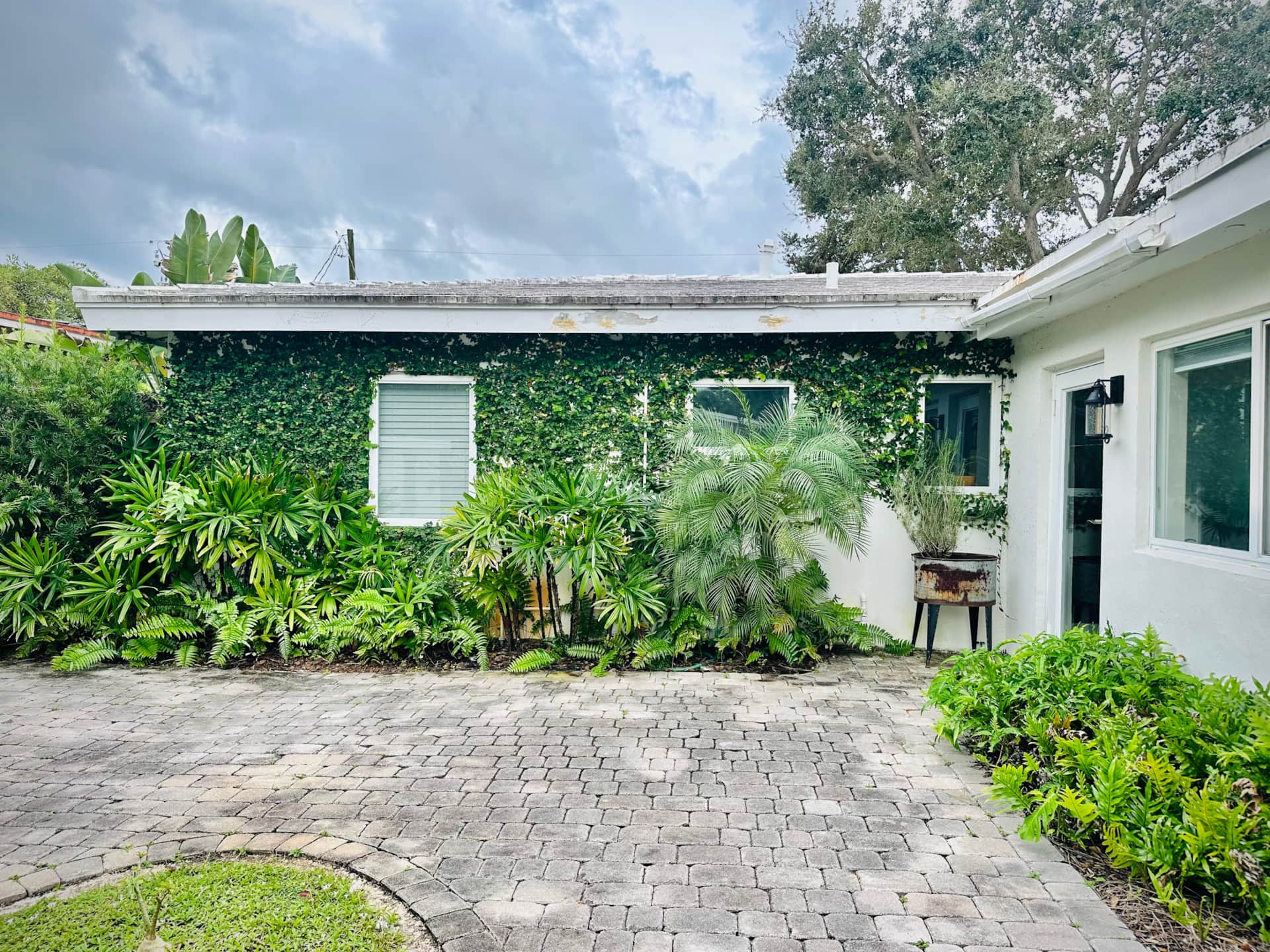
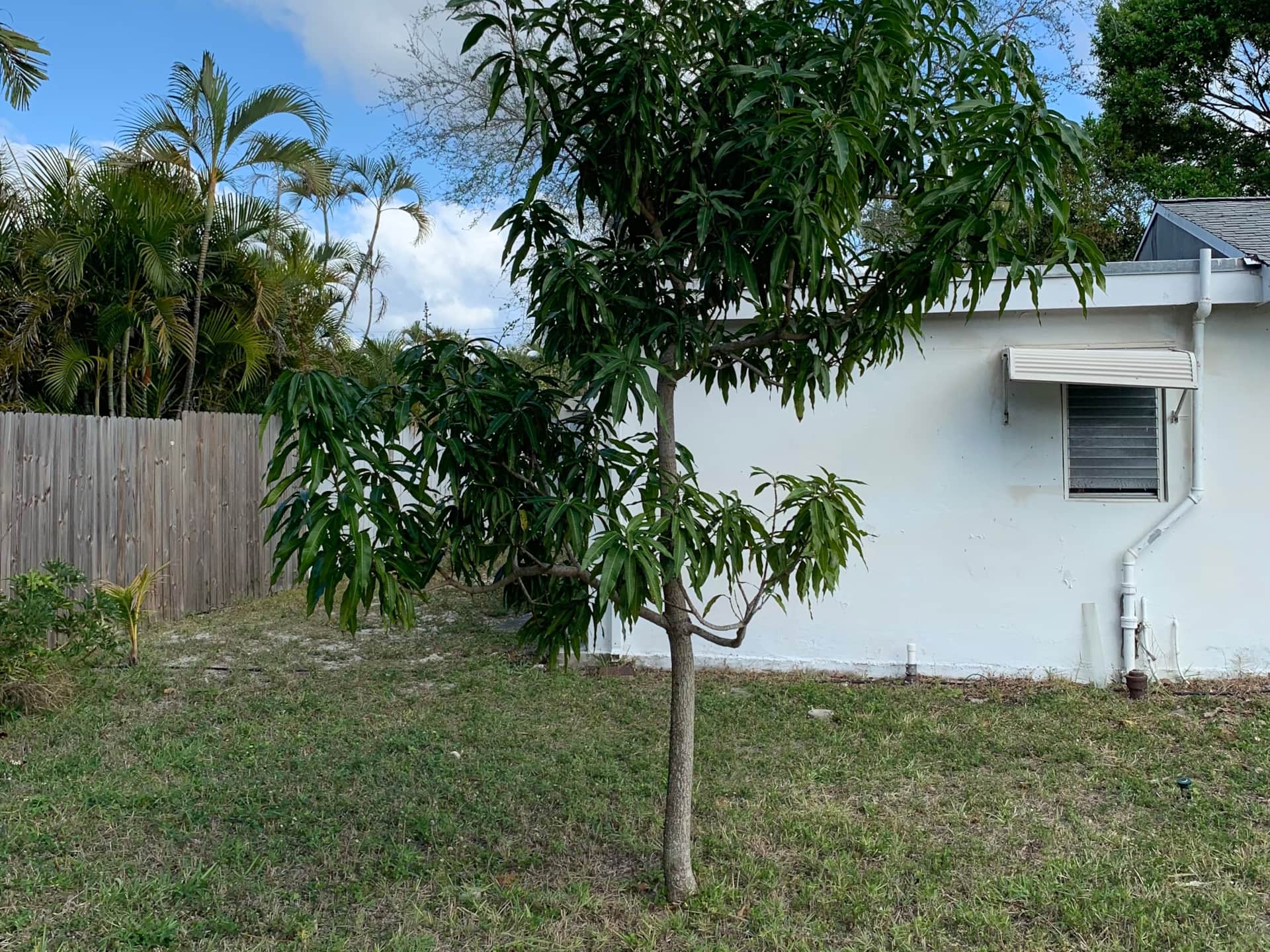
My goal was to transform this neglected zone into an enclosed entry courtyard that immediately establishes privacy and calm. This first courtyard now acts as a buffer from the outside world, redirecting guests toward their individual private rooms while shielding the pool deck beyond. I built a solid wood wall and gate that defines the threshold—once you pass through it, the environment shifts. The noise softens, the space becomes contained, and the sense of arrival is unmistakable.
At the center of the courtyard, I planted a mammee tree—my parents’ favorite fruit and one of mine as well. It anchors the space emotionally and symbolically, grounding the architecture in memory, heritage, and growth. What was once exposed, unsafe, and forgotten is now deliberate and protective. The entry courtyard sets the tone for Casa Citron: private, considered, and rooted in intention.

The Pool Deck
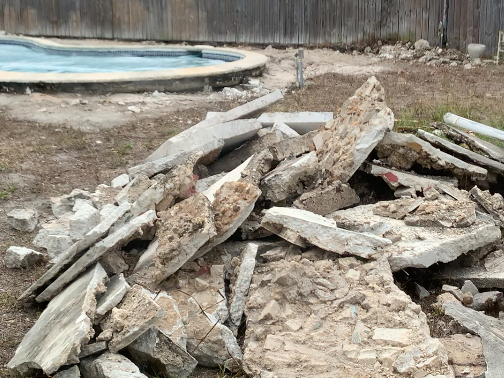
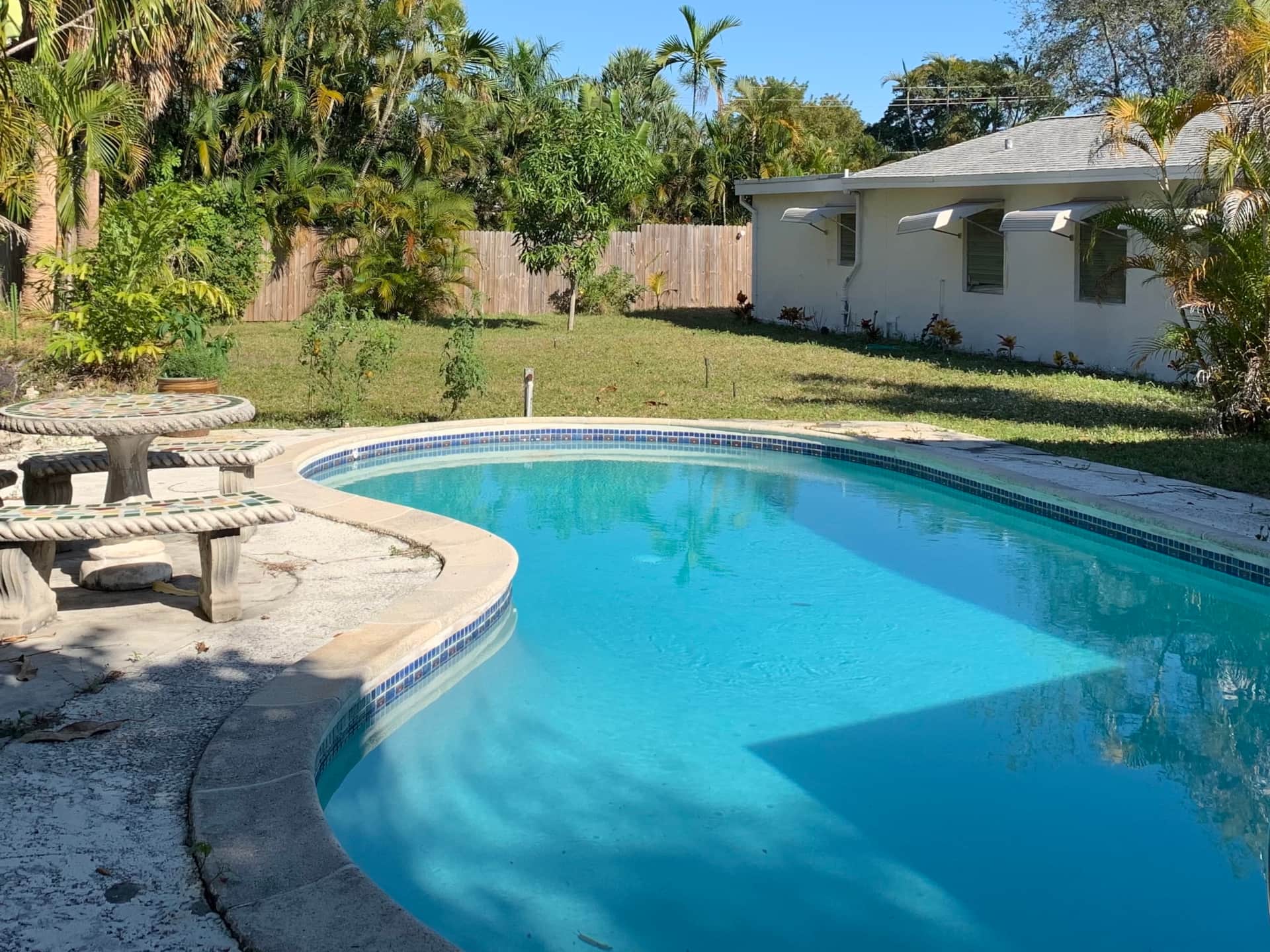
The pool deck became the clear hierarchy of the property, though at the time I acquired it, it didn’t truly exist. What surrounded the pool was an untamed landscape of weeds and critters, with nothing to define it as a place to gather or rest. The pool itself was encircled by a cracked, uneven concrete slab, worn down by rain and settlement over time. Gaps in the concrete became shelter for small animals, reinforcing the sense that the space was abandoned rather than inhabited.
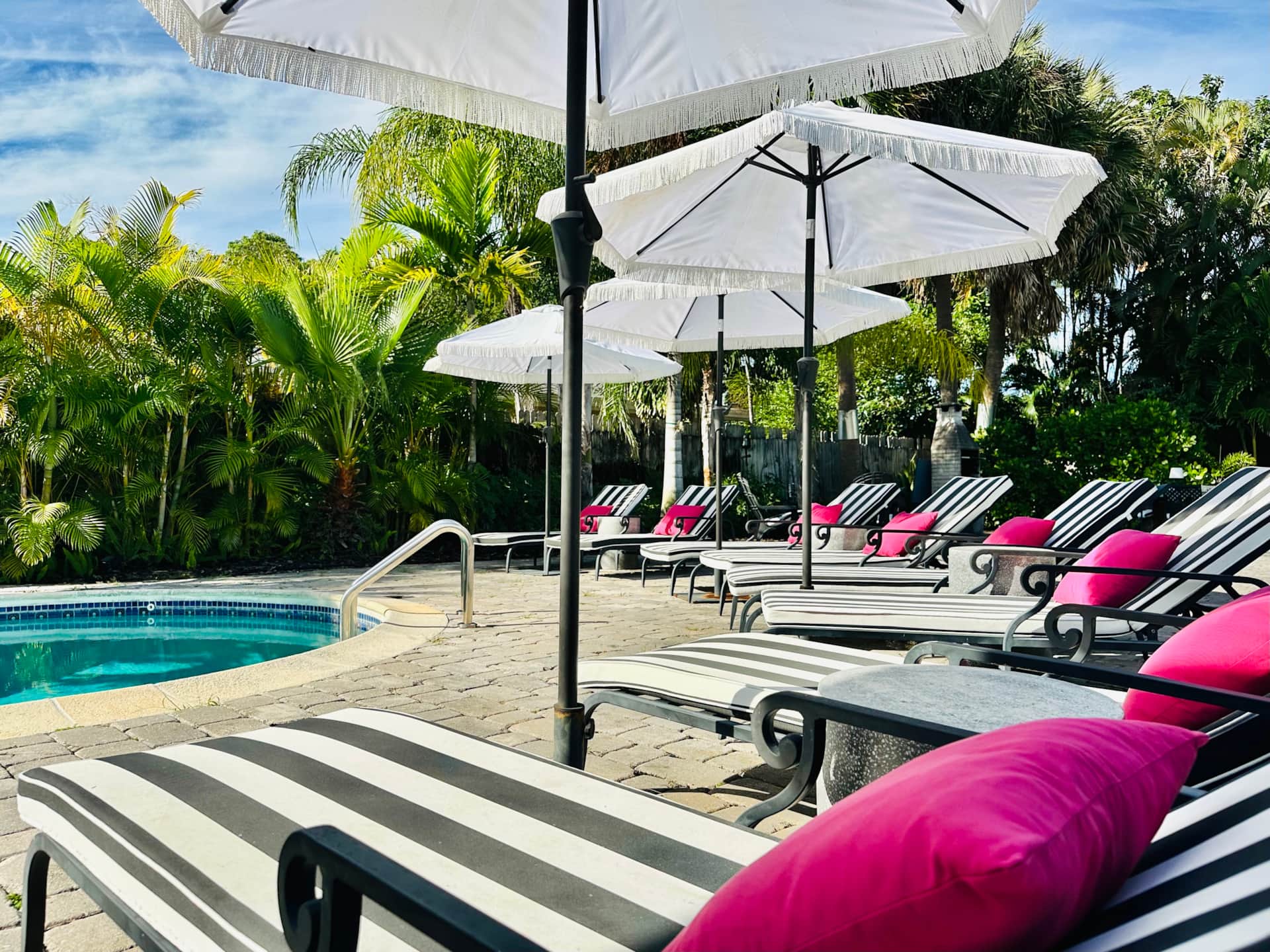
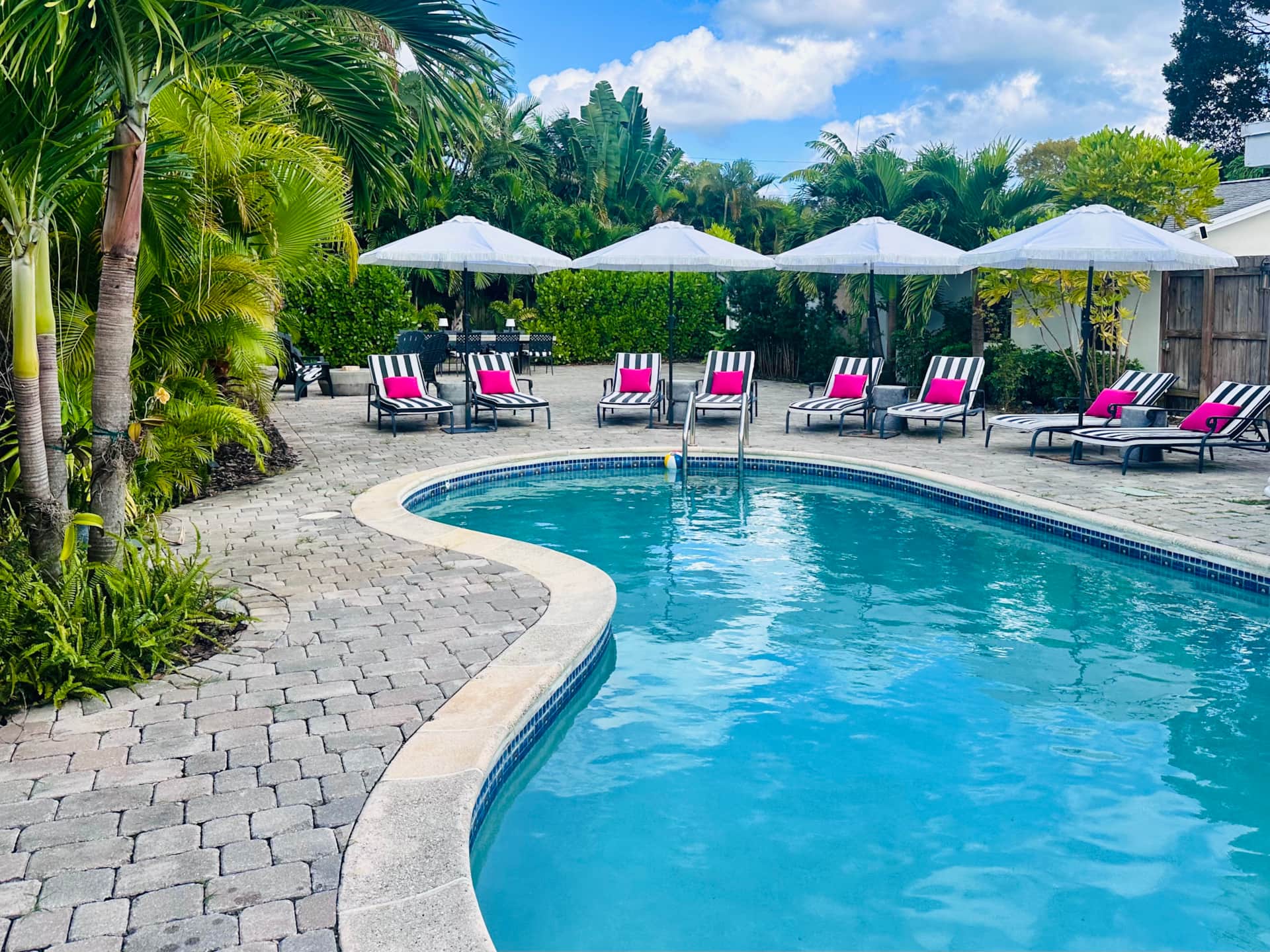
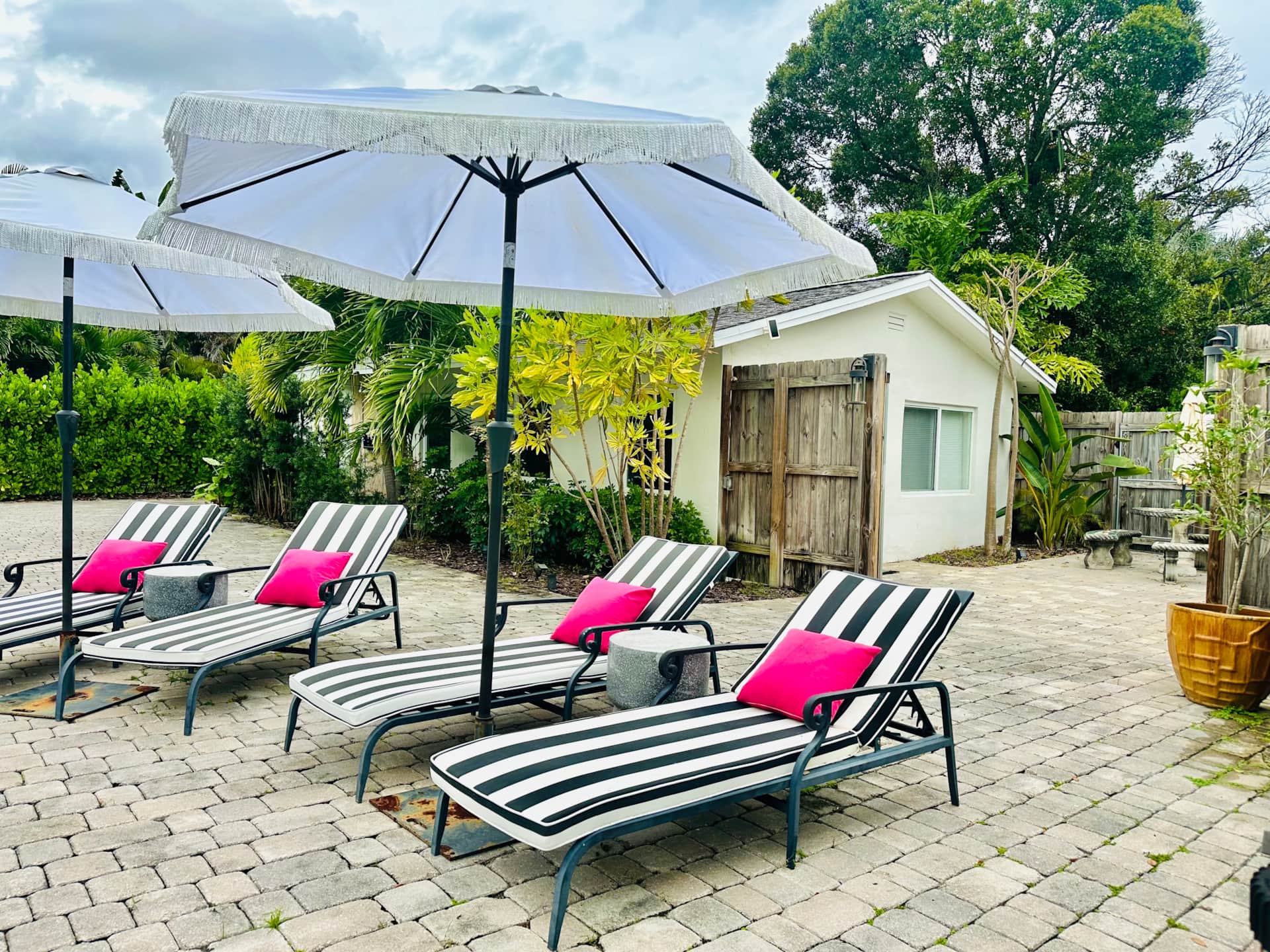
My intention was to transform this void into the heart of Casa Citron. I carried forward a European sensibility, paving the area with custom-made pavers blended in warm earth tones and then tumbled to achieve a weathered, imperfect finish. That softness—human, aged, and tactile—was essential to me. The imperfections give the surface character and warmth, allowing the space to feel grounded rather than polished or sterile. I extended the paving to cover a generous 30-by-40-foot area, anticipating future gatherings and the possibility of tenting the space for events.
A year after opening Casa Citron, the space continued to teach me how it was truly being used. I noticed many guests naturally entering and exiting the pool through the deep end, following their own intuitive patterns rather than the original design assumptions. In response, I added a step ladder on that side. It was a simple adjustment, but an important one—a reminder that design is never static. It evolves through observation, use, and listening, refining itself over time through the people who inhabit it.

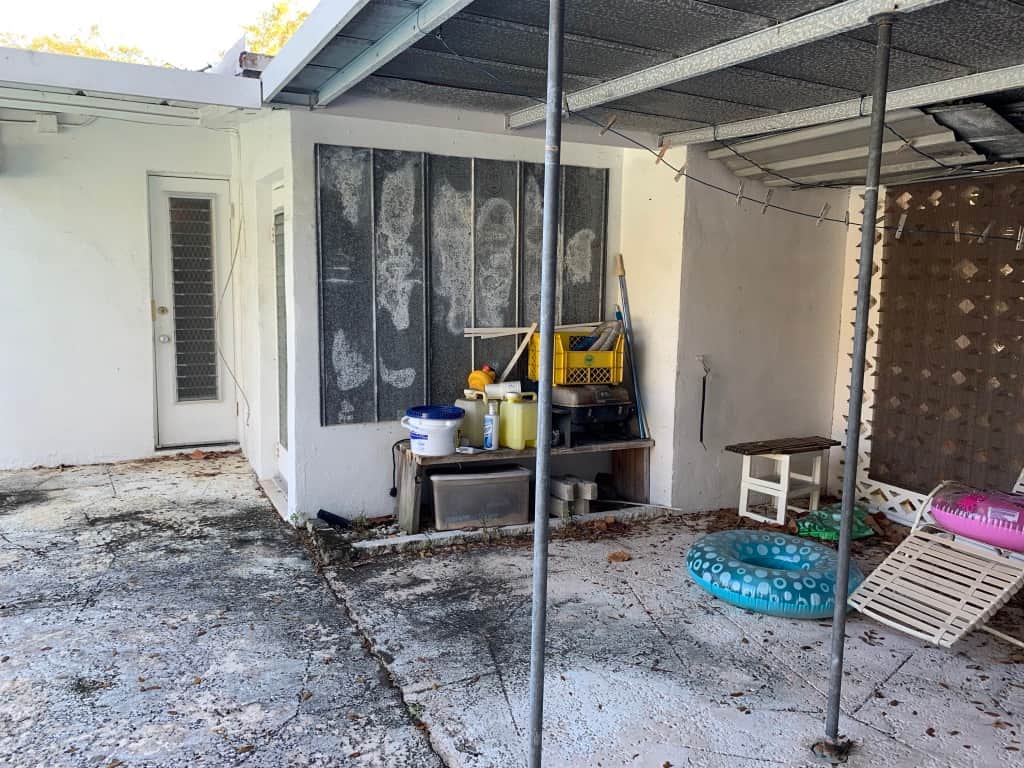
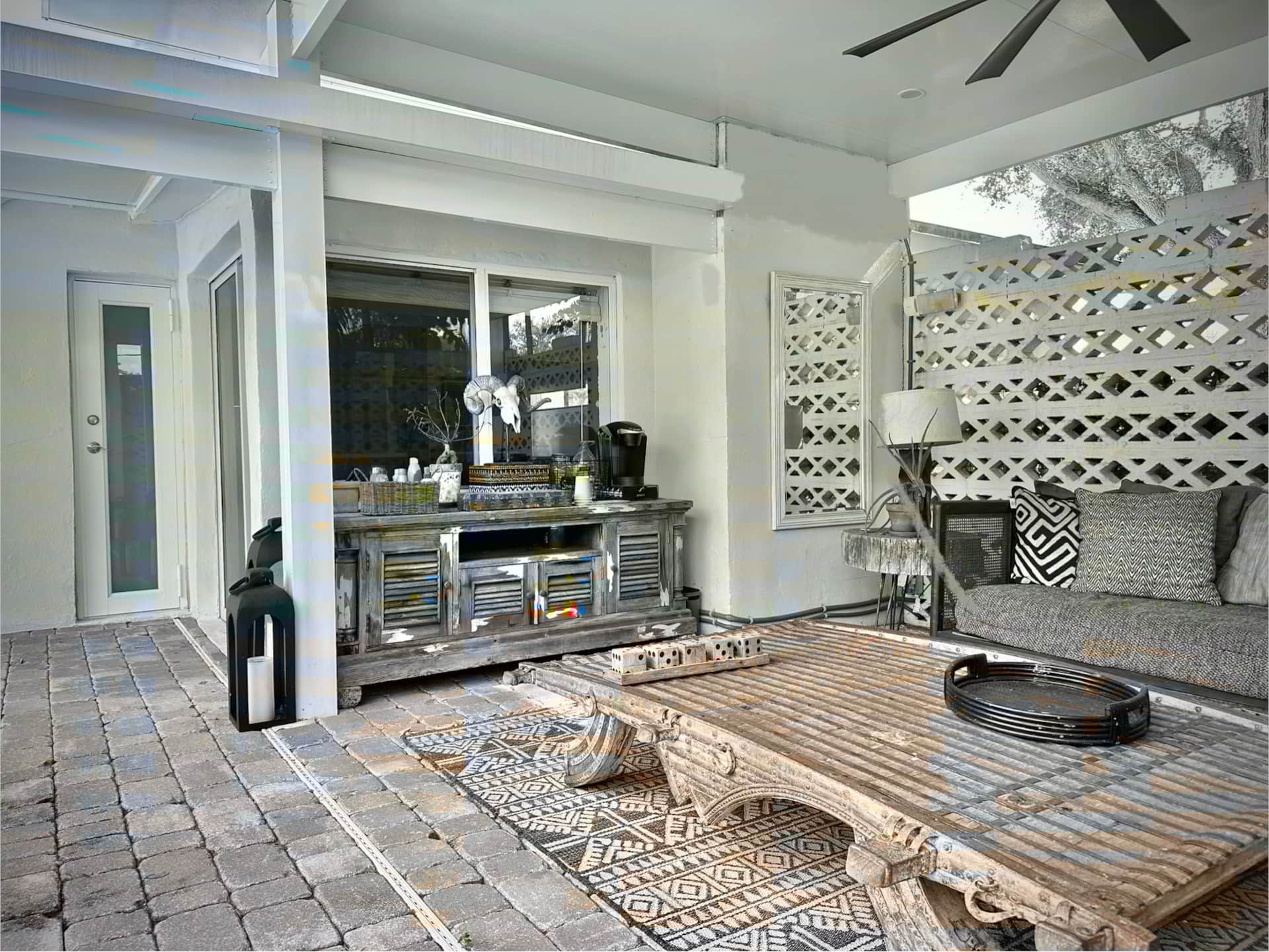
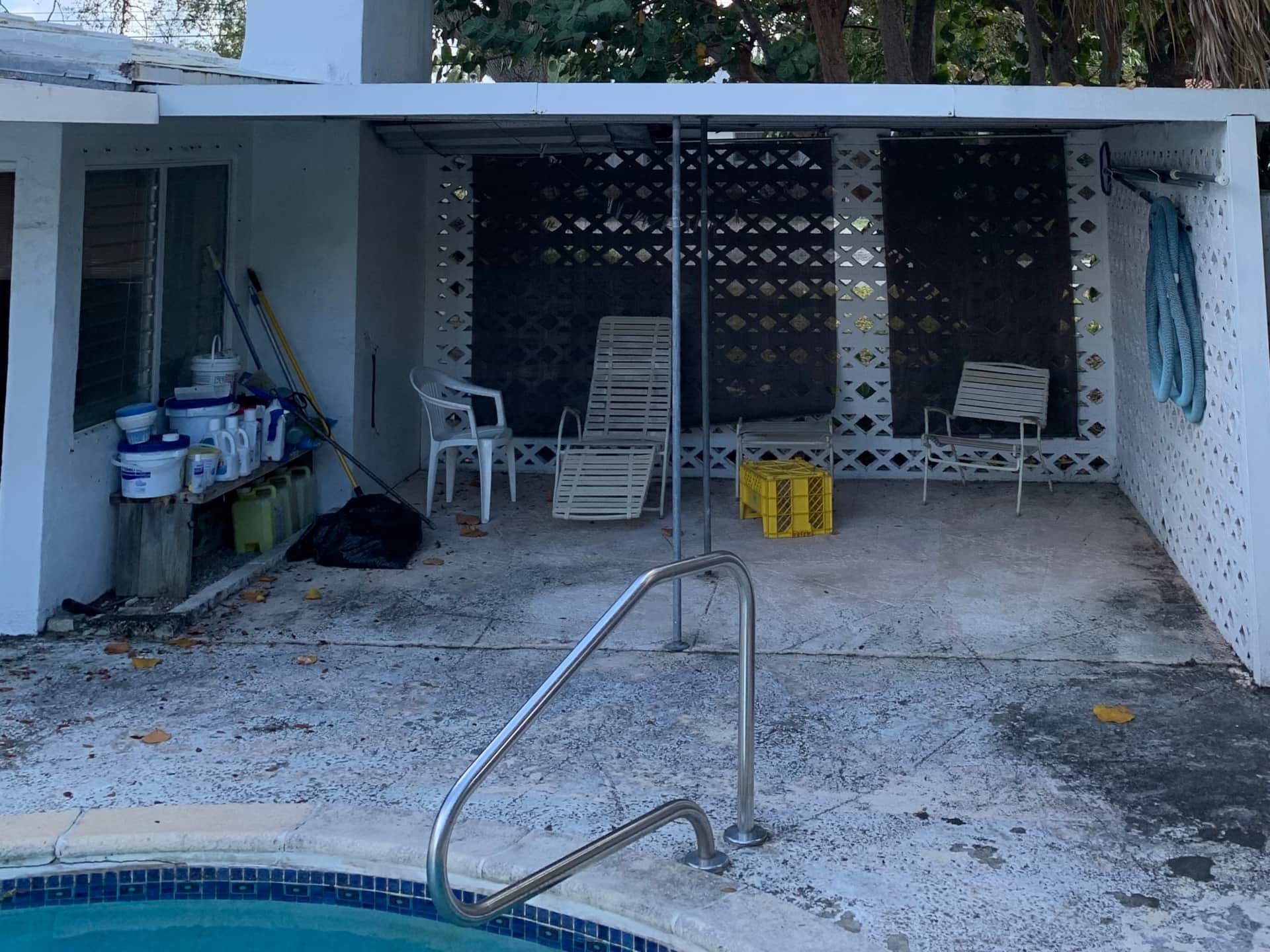
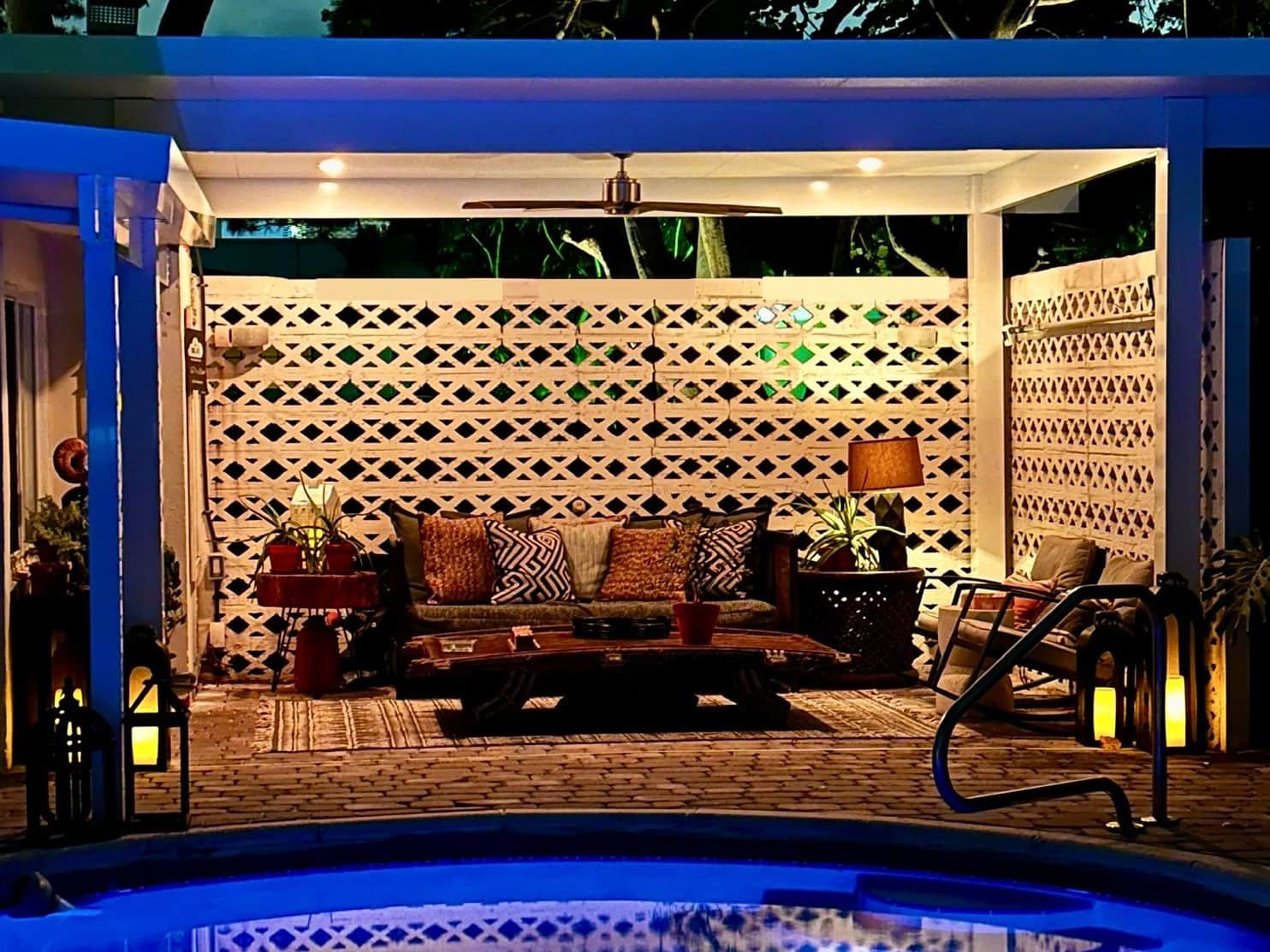
The Covered Patio
Intimate Private Rooms at Casa Citron
Casa Citron Unit 1
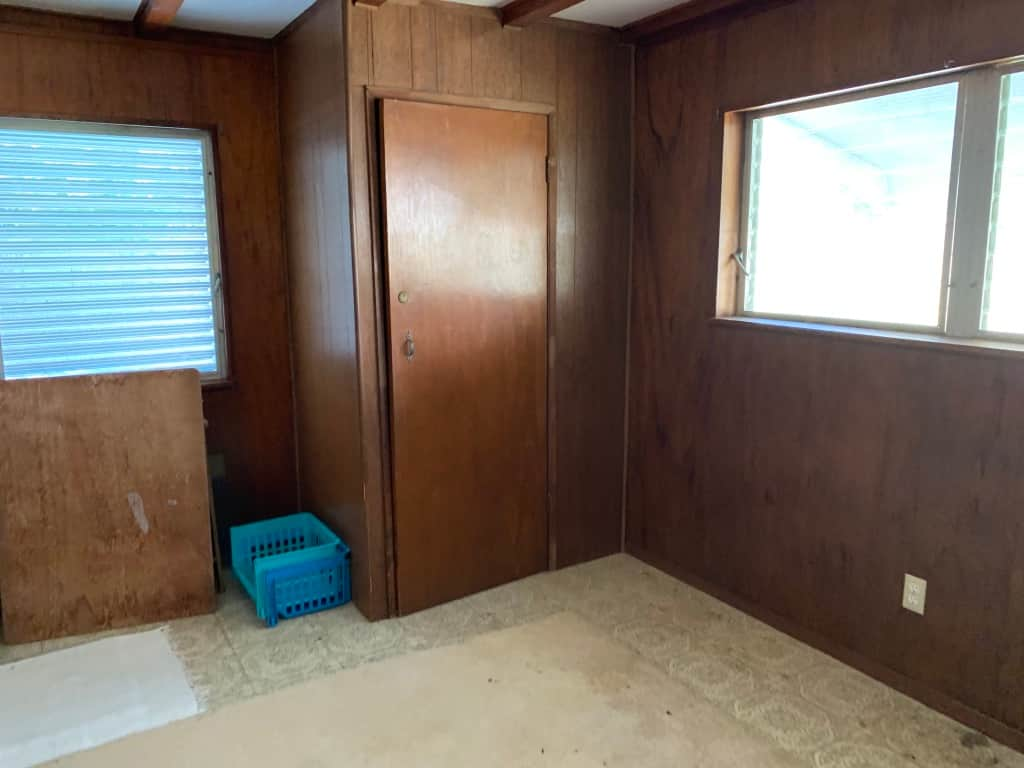
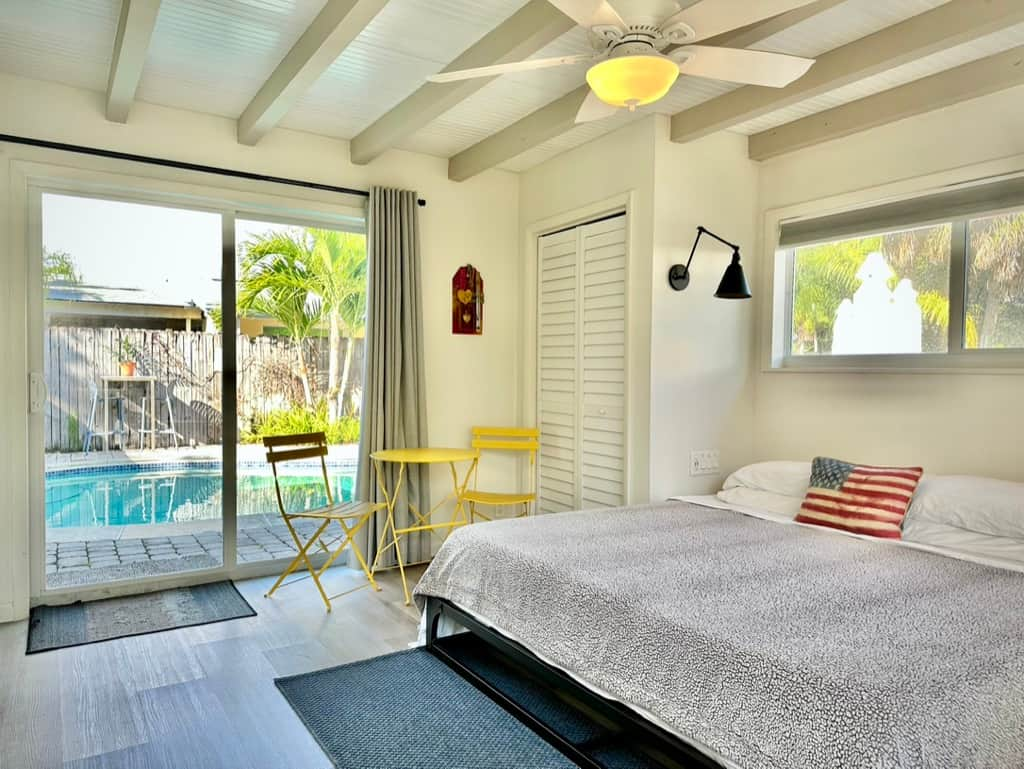
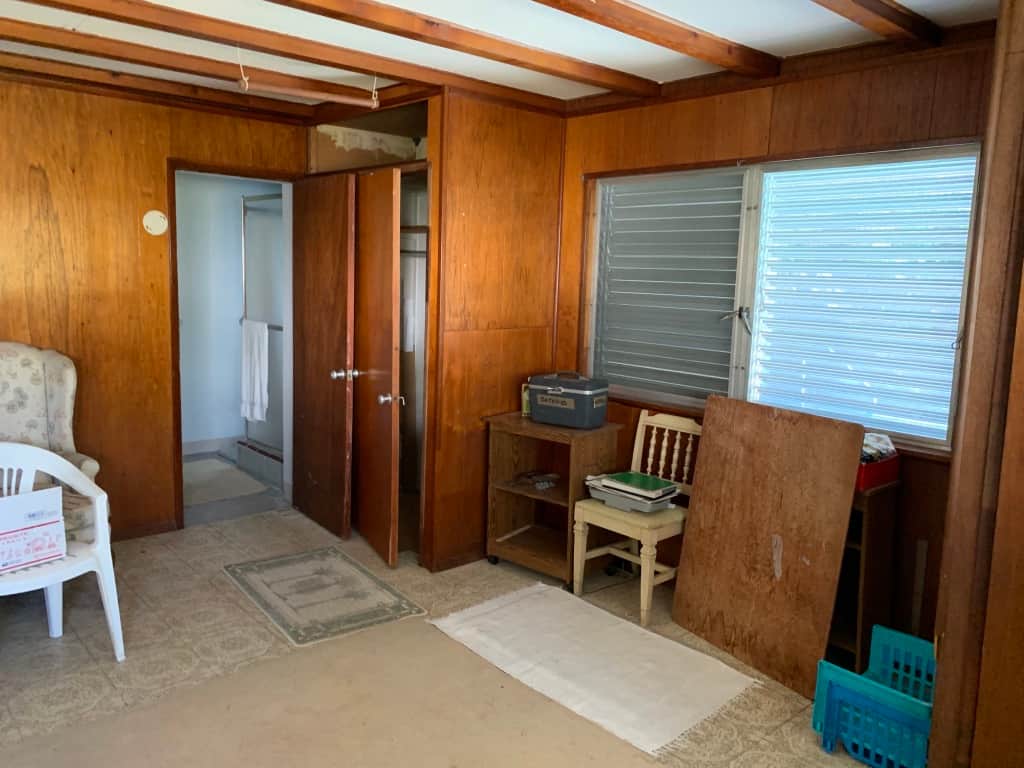
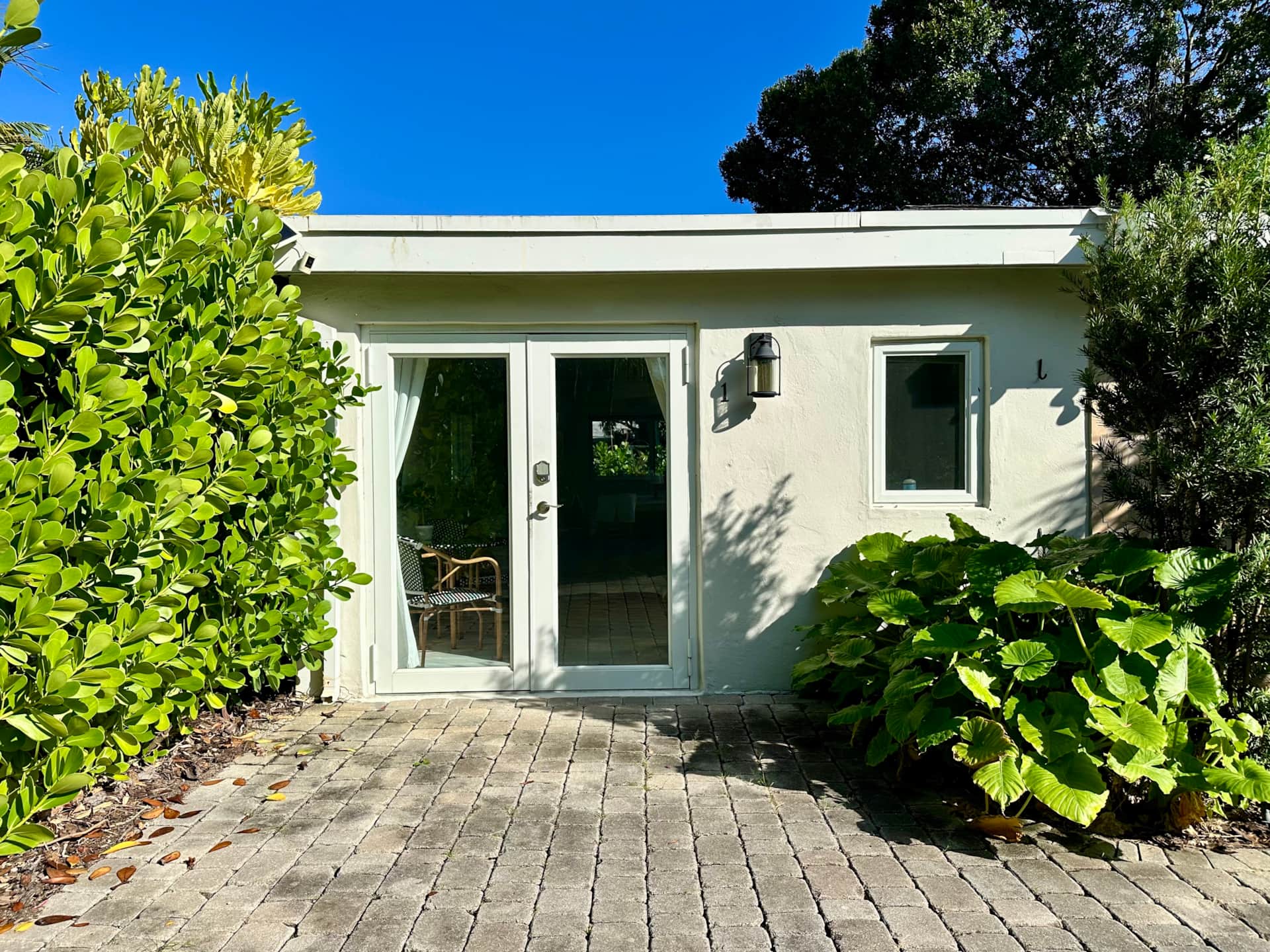
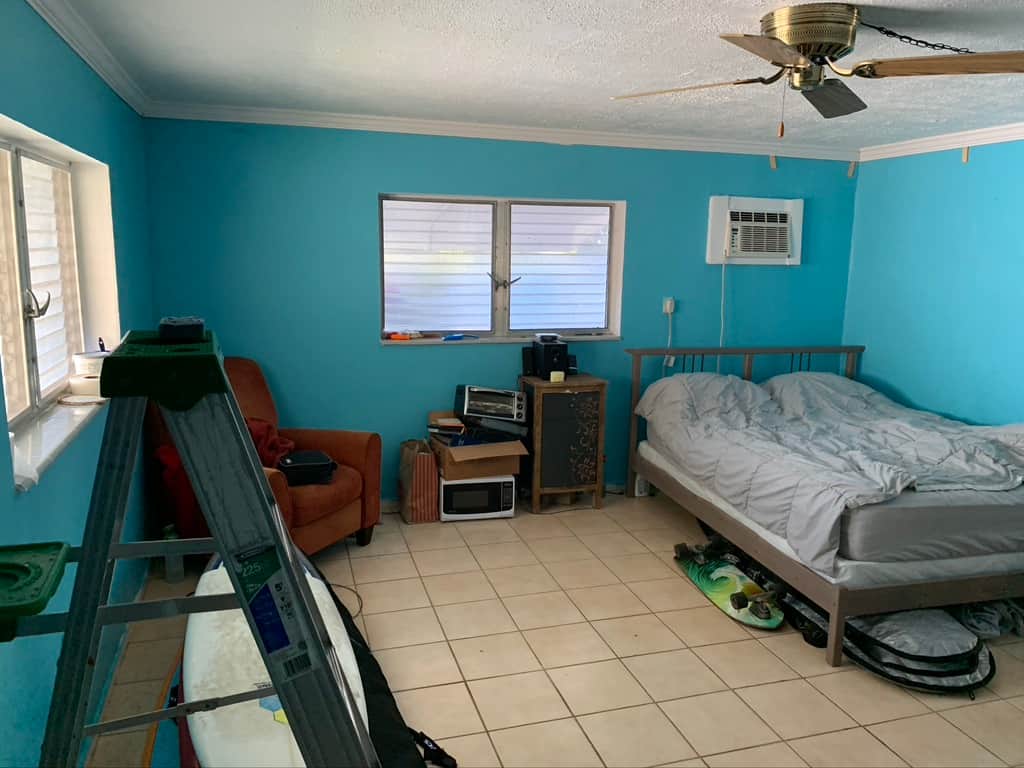
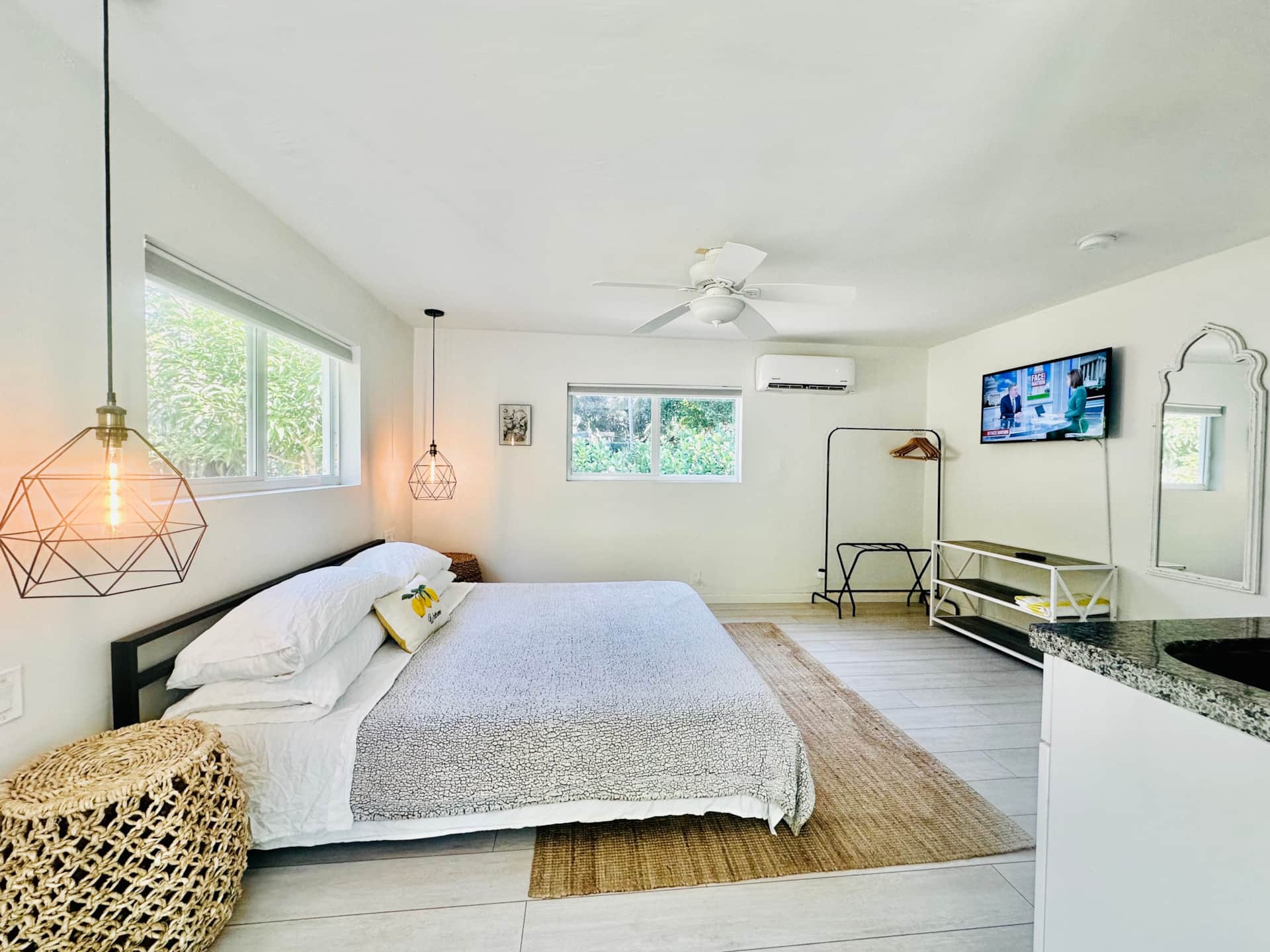
Unit 1 was designed to fully engage with the energy and light of the property. My primary intervention was opening an existing wall and installing impact-resistant double glass doors that lead directly onto the pool deck. This move transformed the room from an inward-looking space into one that participates in the life of Casa Citron, allowing natural light, movement, and atmosphere to flow directly inside.
Because of its position, Unit 1 has become the most in-demand room on the property. It sits closest to the hot tub and the outdoor showers for two, offering a direct visual connection to one of the most active areas of Casa Citron. At the same time, it is located furthest back on the lot, which adds an unexpected layer of privacy. That balance—proximity to activity paired with seclusion—creates a uniquely charged experience that many guests are drawn to.
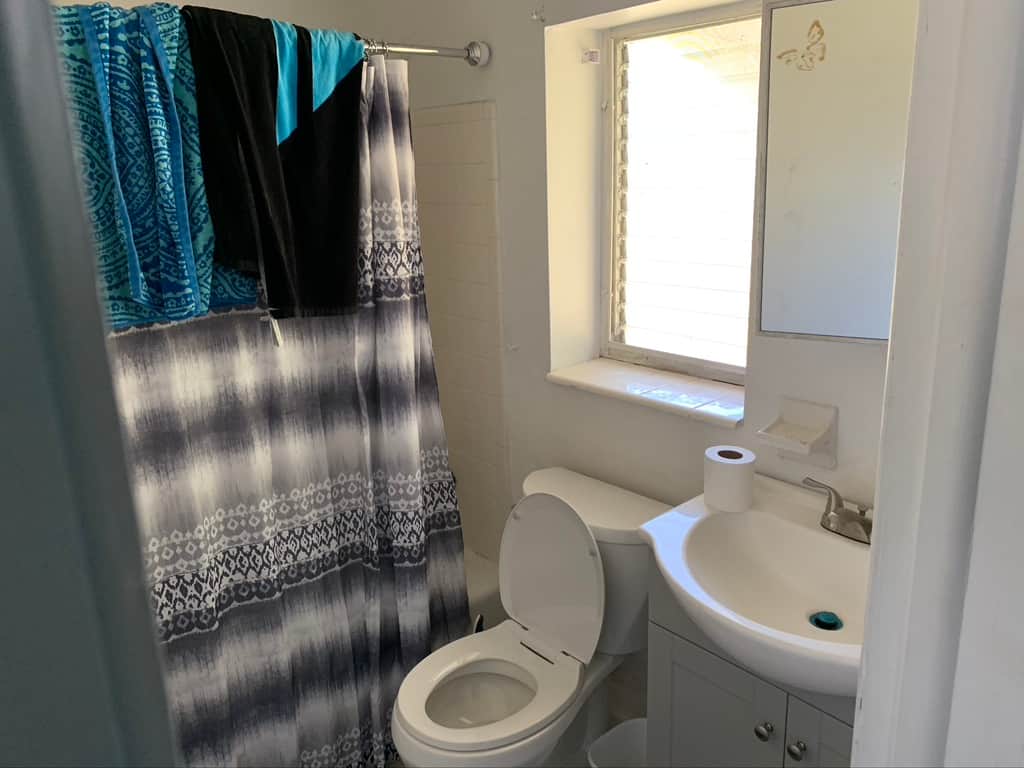
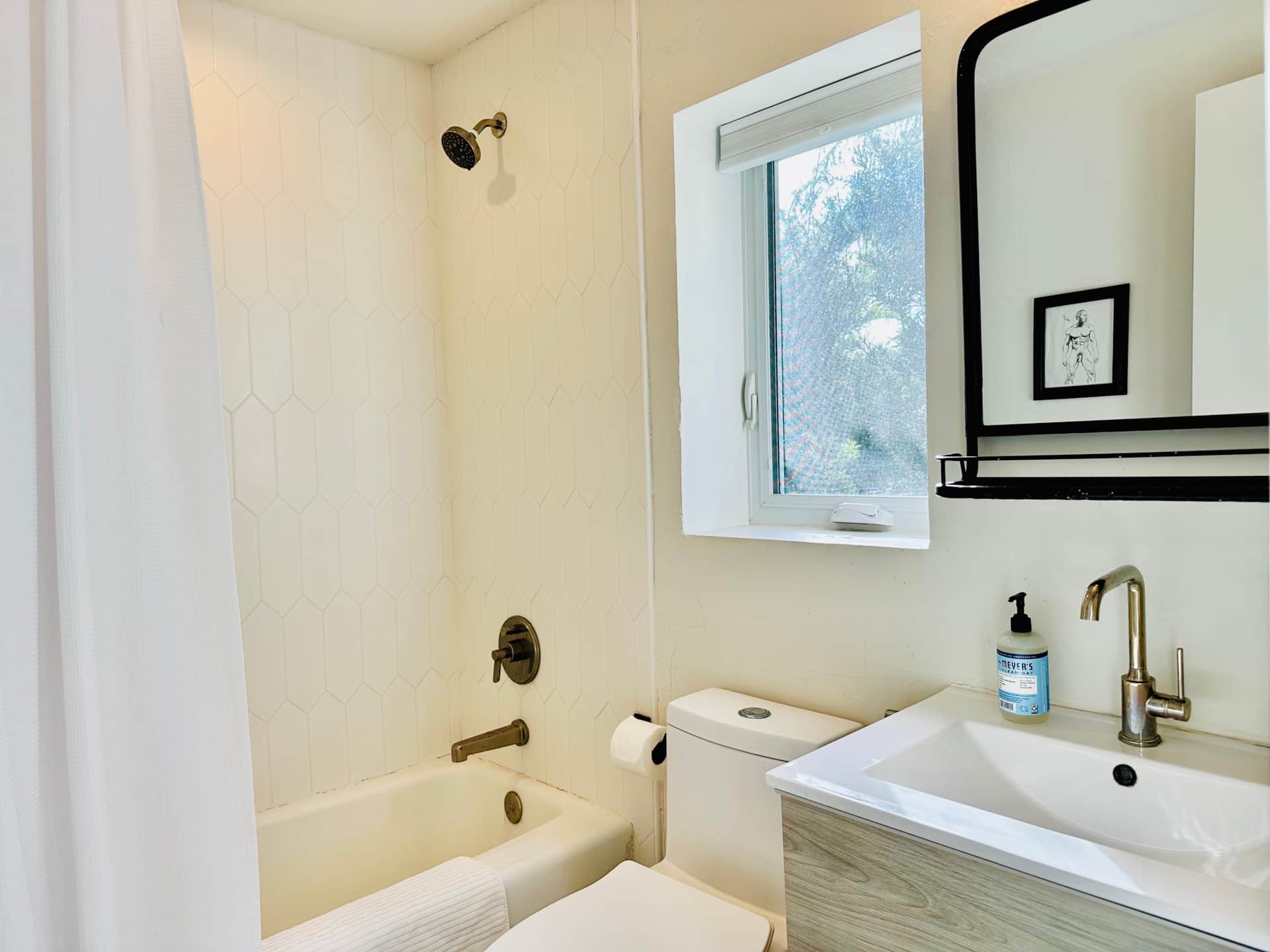
Unit 1 is also the only unit with a bathtub, positioned to capture views toward the outdoor showers. It is frequently favored by athletic guests who use the tub for muscle recovery with bath salts and soaking rituals. The unit shares a separate building with Unit 2, and the two can be connected through interior double doors. This flexibility allows friends to stay in separate rooms while remaining connected, without ever needing to step outside—a design choice that prioritizes comfort, intimacy, and ease of movement.


Casa Citron Unit 2
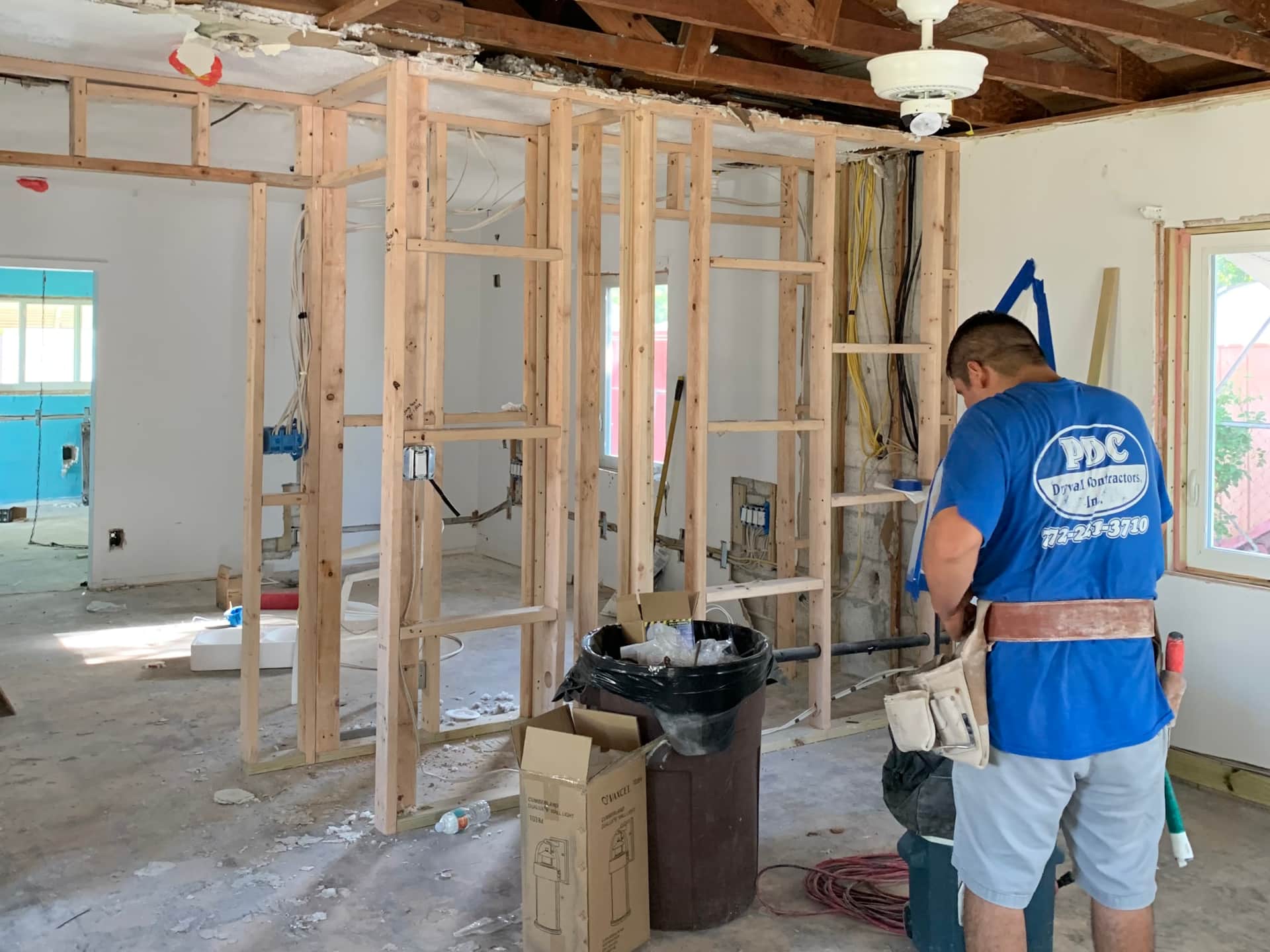
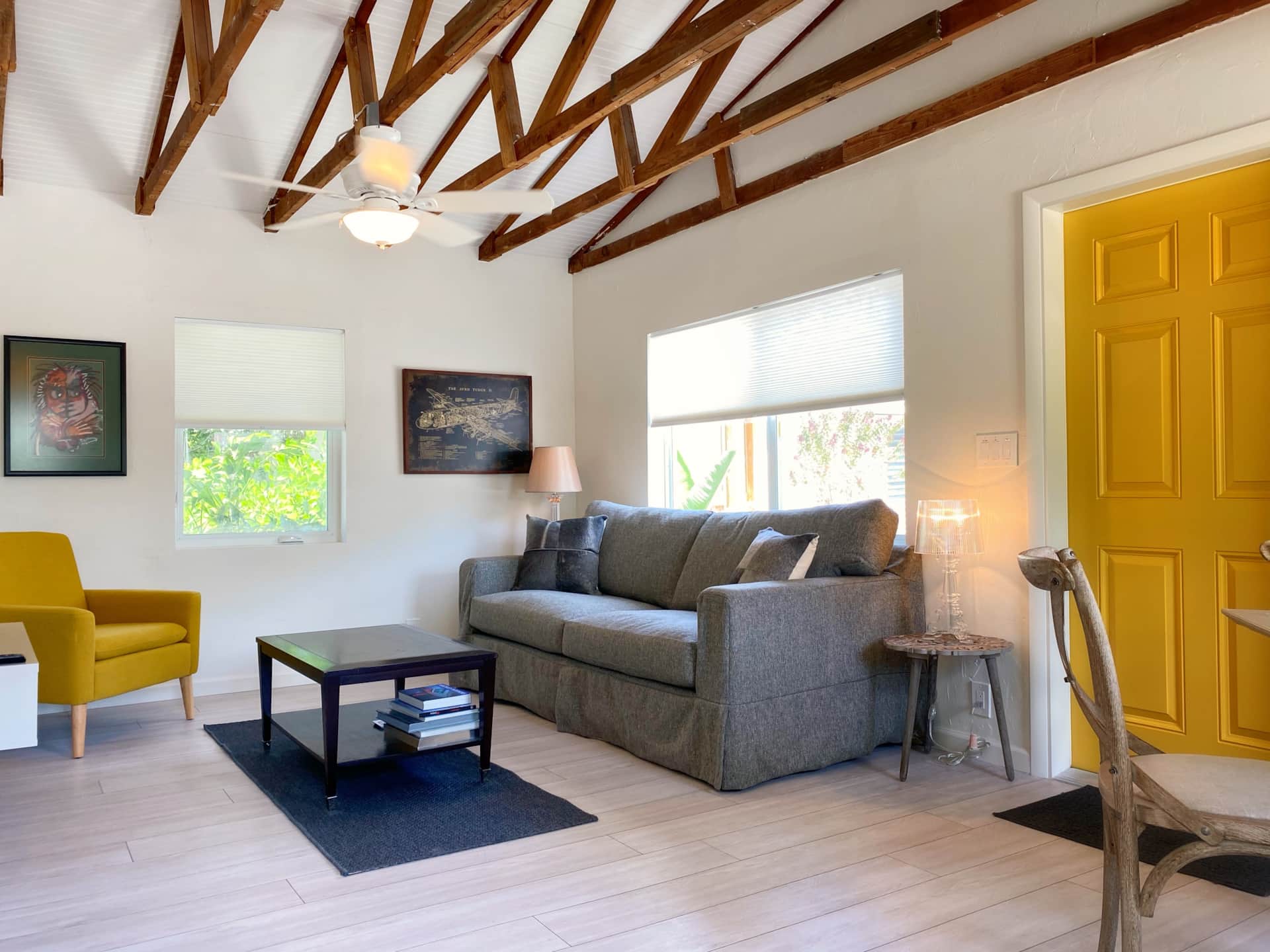
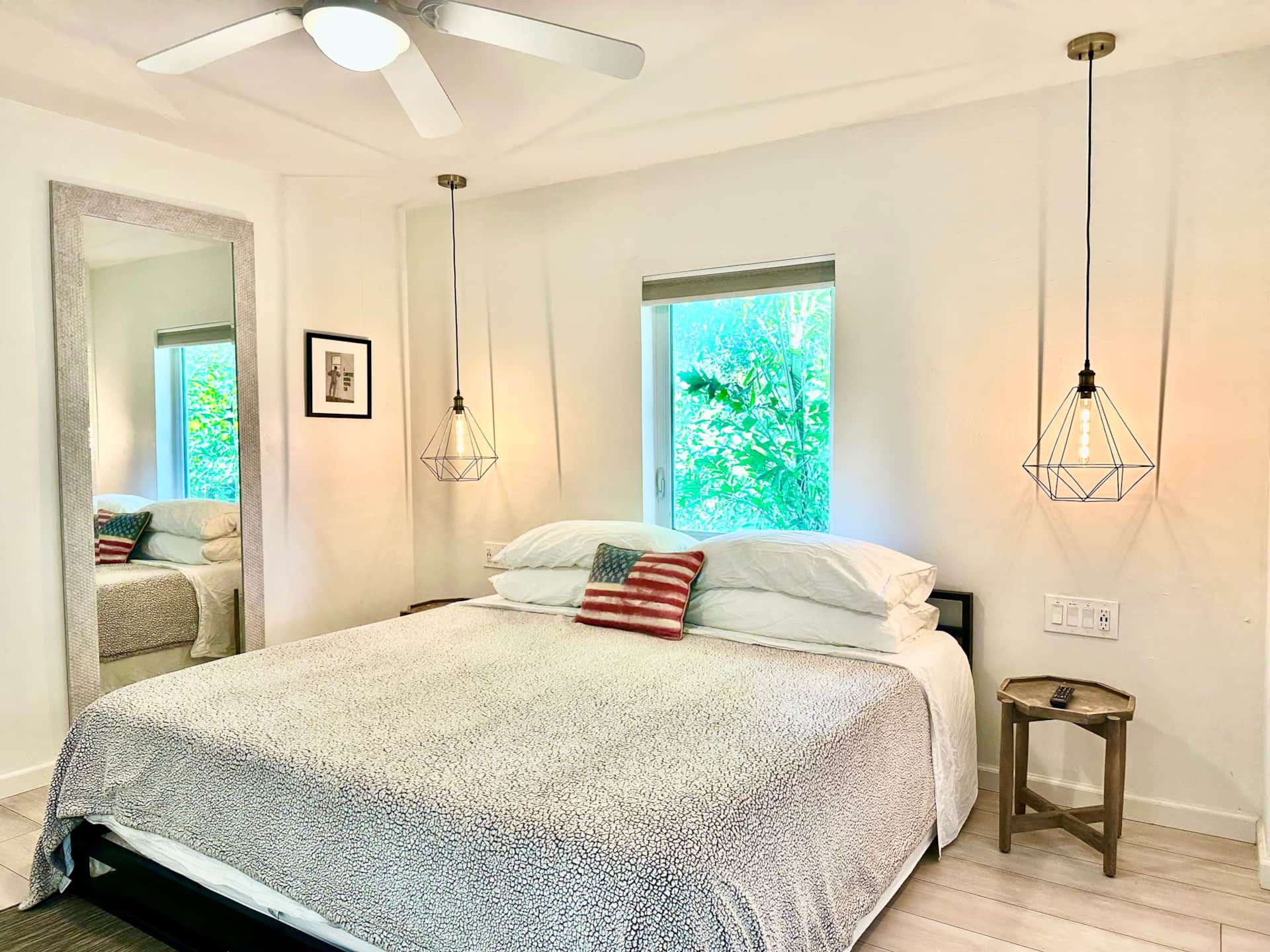
Unit 2 is the largest unit on the property and was designed to feel like a complete, private apartment within Casa Citron. Like all of the units, it includes a king-size bed, a private bathroom, and a kitchenette, but its generous footprint allowed for a more layered living experience. In addition to the sleeping area, the unit features a true living room with a sofa, club chair, and television, as well as a dedicated dining area that reinforces a sense of comfort and ease for longer stays.
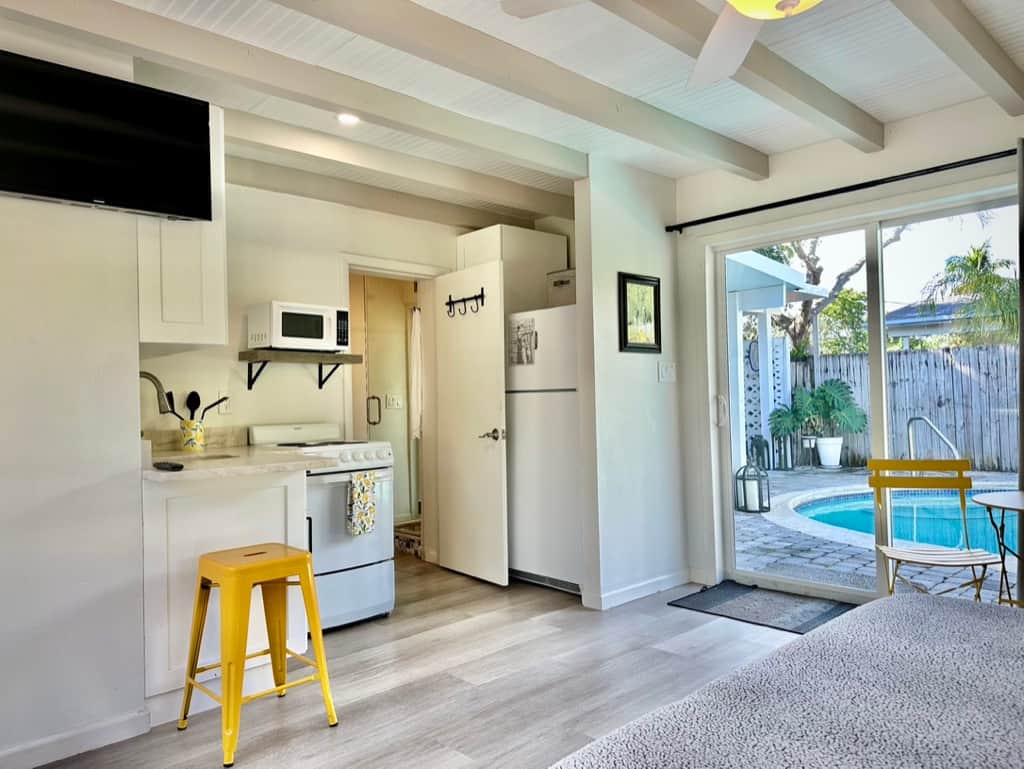
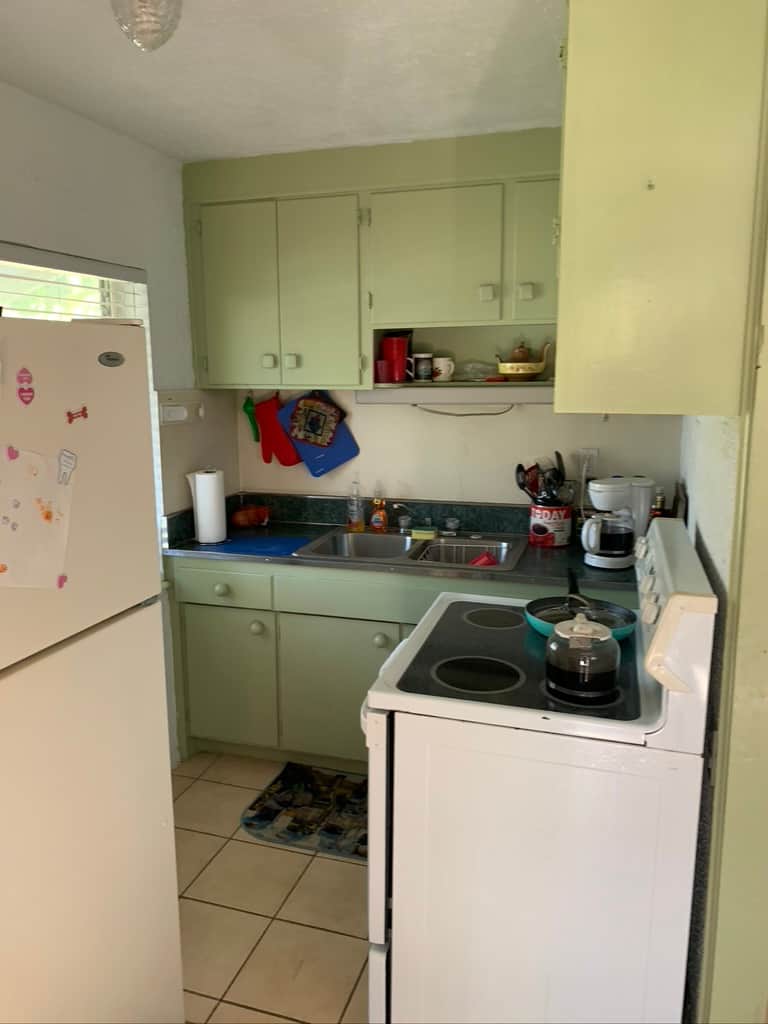
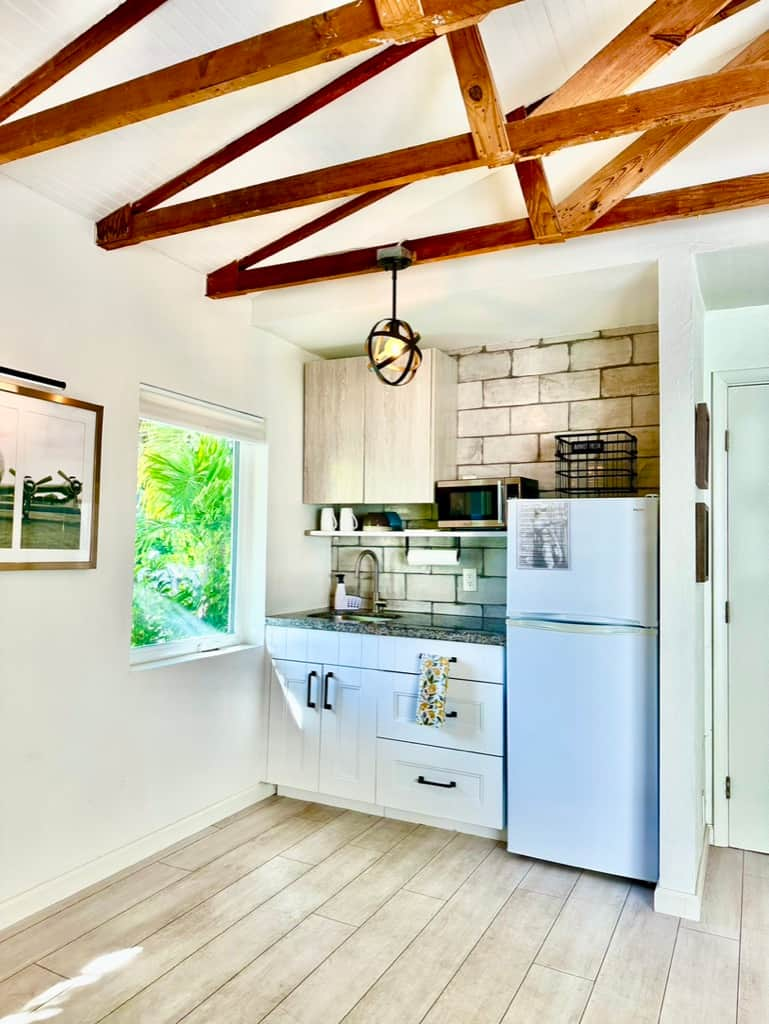
The kitchenette follows the same thoughtful approach used throughout the property—compact yet fully functional. It is equipped with a microwave oven, a full-size refrigerator, a hot plate, and a toaster oven, allowing guests to prepare meals without sacrificing counter space or simplicity. Every element was chosen to support flexibility while keeping the room uncluttered and intentional.
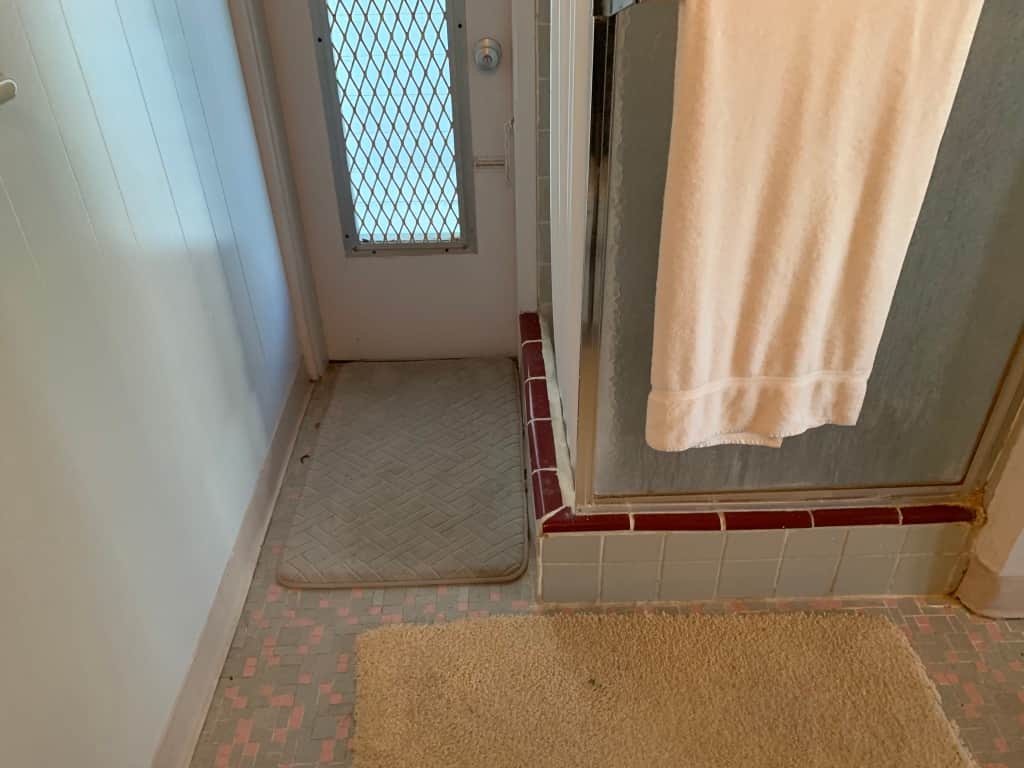
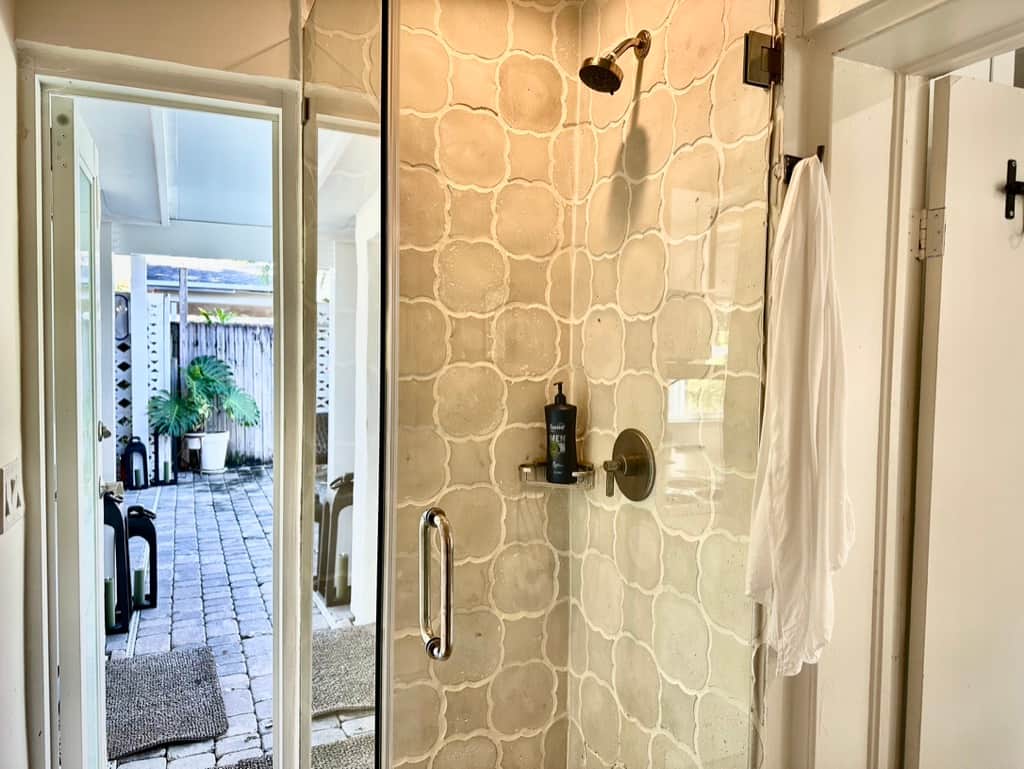
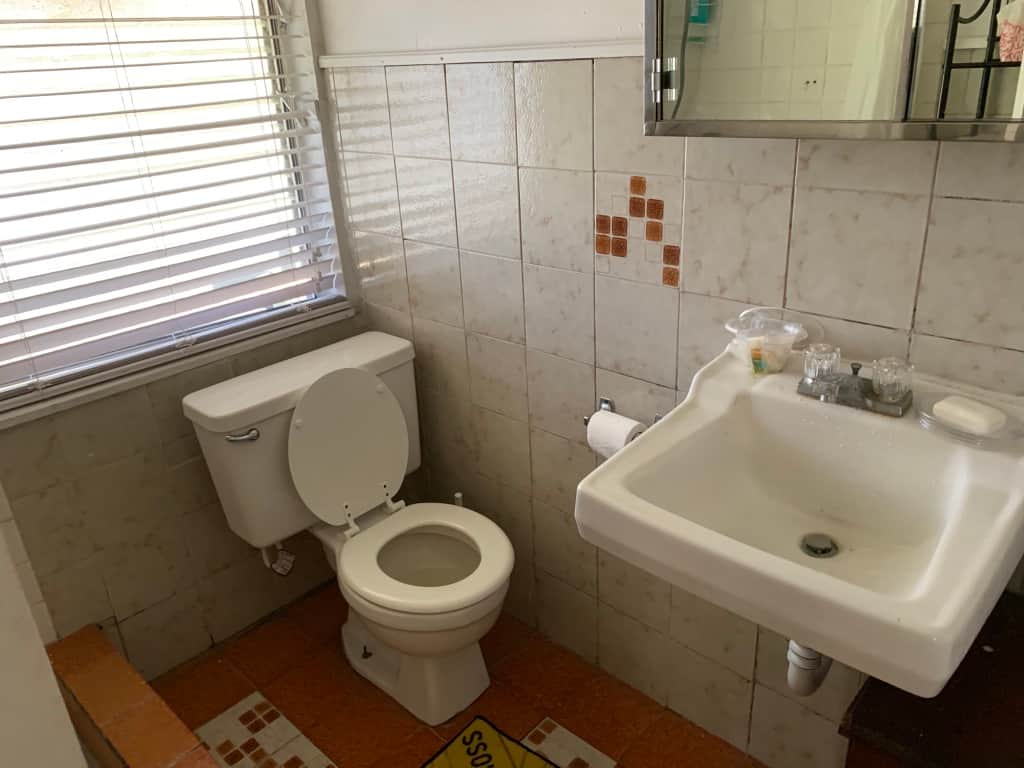
The bathroom introduces one of the most distinctive design moments in Casa Citron: a one-way mirror that looks out toward the outdoor shower area. From inside, guests can see outward, while on the other side the mirror becomes a reflective surface used by those showering to soap and dry themselves—a dynamic that benefits both spaces. Unit 2 shares a separate building with Unit 1 and can be internally connected through a shared door for guests who want adjoining rooms without stepping outside. Typically offered as only a modest upgrade over the studio units, Unit 2 delivers nearly twice the space and is the only unit on the property with central air conditioning, making it a particularly appealing option for comfort-focused stays.




Casa Citron Unit 3
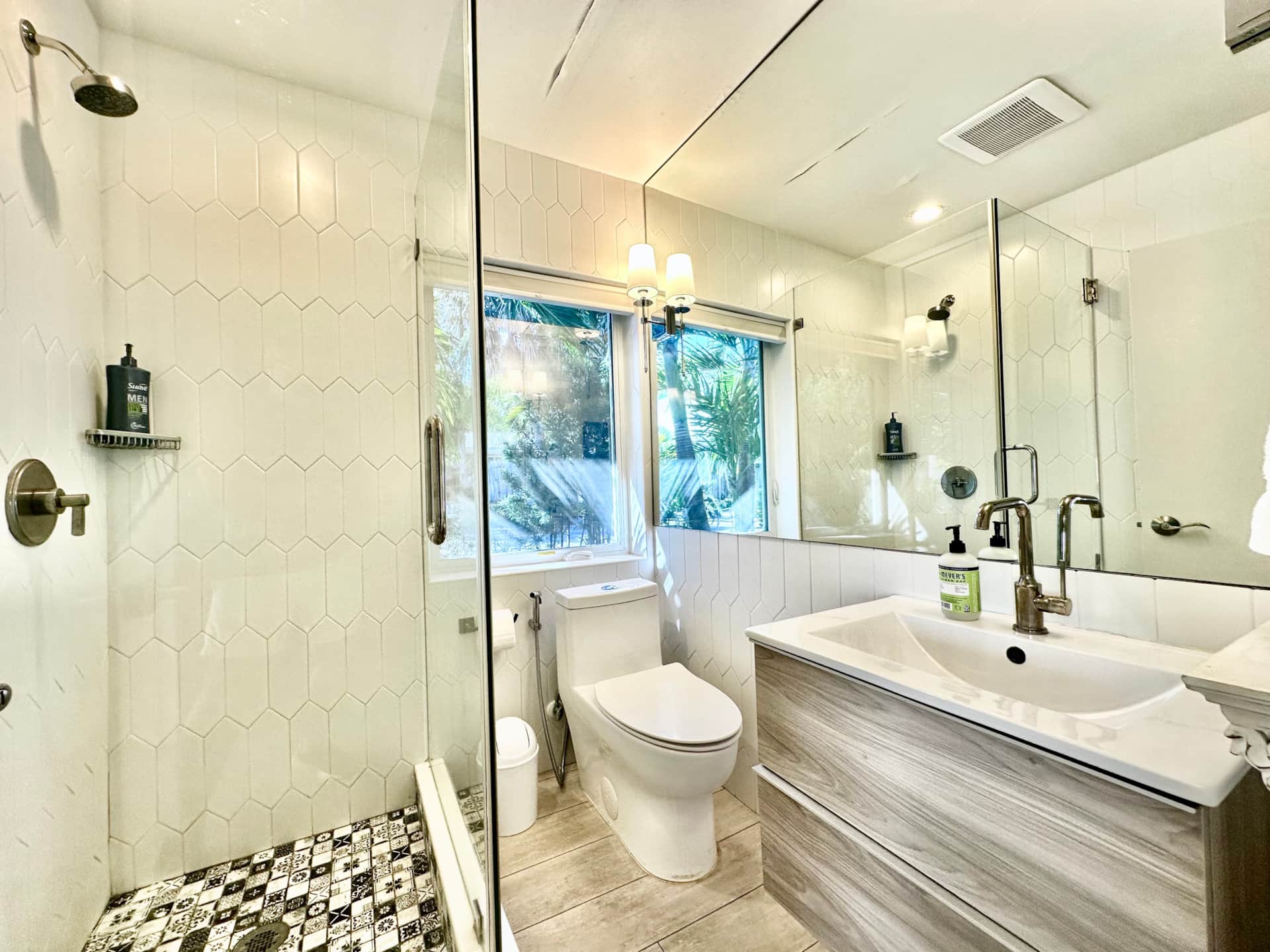
Unit 3 is the final residence to be renovated at Casa Citron and reflects a deliberate sense of openness and ease. Like the other units, it features a private entrance, a king-size bed, a private bathroom with a hand-held hygiene hose, and a kitchenette designed for independent stays. The unit opens directly to the pool, allowing daily life to flow naturally between private space and the shared outdoor environment.
Accessed through the main courtyard, Unit 3 connects to the pool and deck through double glass doors, placing guests immediately at the center of Casa Citron’s outdoor life. It is the unit closest to the covered patio and coffee station — a shaded area that offers relief from the sun while remaining fully connected to the outdoors. This covered space is a favorite for relaxing, lingering with a morning coffee, or simply being present in a setting that celebrates naturism as part of everyday living.
The unit was reworked with expanded fenestration on multiple sides, allowing abundant natural light and even direct sun rays to move through the space throughout the day. Many guests choose to leave the curtains open at all times, enjoying uninterrupted views of the pool and the gentle rhythm of guests soaking in warm water year-round. Unit 3 offers a front-row connection to the shared experience of Casa Citron, balancing comfort, visibility, and a sense of freedom that feels natural and unforced.